

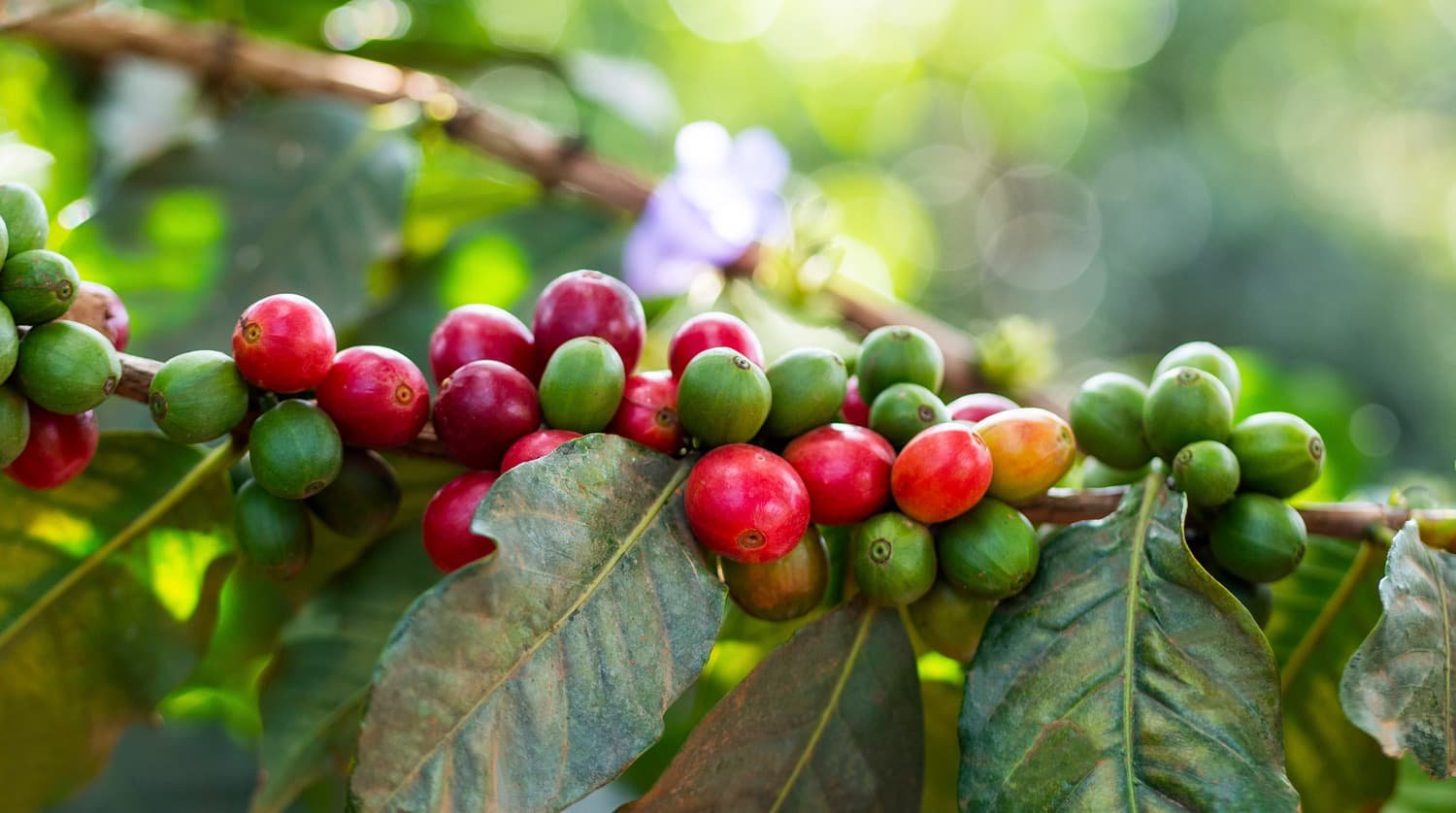
The coffee sector experienced a slight increase in production in the 2023/24 crop year as the land dedicated to coffee cultivation also grew.
According to Eaagads Limited annual report for the year ended 31 March 2025, the national cultivation footprint expanded from 109,000 hectares to 111,900 hectares, representing a 2.3% growth driven by government initiatives such as seedling distribution and revitalization programs.
Production rose by 1.6%, from 48,700 tonnes to 49,500 tonnes in the 2024 crop year, despite adverse weather that caused elevated temperatures and promoted Coffee Berry Disease.
Nevertheless, overall coffee exports surged by 12%, from 47,861 tonnes in 2023 to 53,519 tonnes in 2024, with a dramatic acceleration in the first quarter of 2025, when exports reached 16,894.4 metric tonnes from 9,722.3 metric tonnes in the same period the previous year.
This export growth occurred even as domestic consumption declined due to the high cost of living. While more coffee was shipped, the revenue generated fell.
Exports of unroasted coffee specifically amounted to 34,612.50 metric tonnes in 2024, earning Sh24.52 billion, down from 42,857 metric tonnes in 2023, which earned Sh34.37 billion.
The decline was driven by a drop in price from Sh768.7 per kilogram in 2023 to Sh708.4 per kilogram in 2024. This underscores the importance of the industry’s long-standing strategy of prioritizing quality over volume to secure premium international prices, primarily through the Nairobi Coffee Exchange.
This approach sustains Kenya’s position as Africa’s fifth-largest producer in terms of volume, with an average annual yield of 860,000 bags, behind Ethiopia (8.2 million bags), Uganda (6.5 million bags), Côte d’Ivoire (1.25 million bags), and Tanzania (1.12 million bags).
