

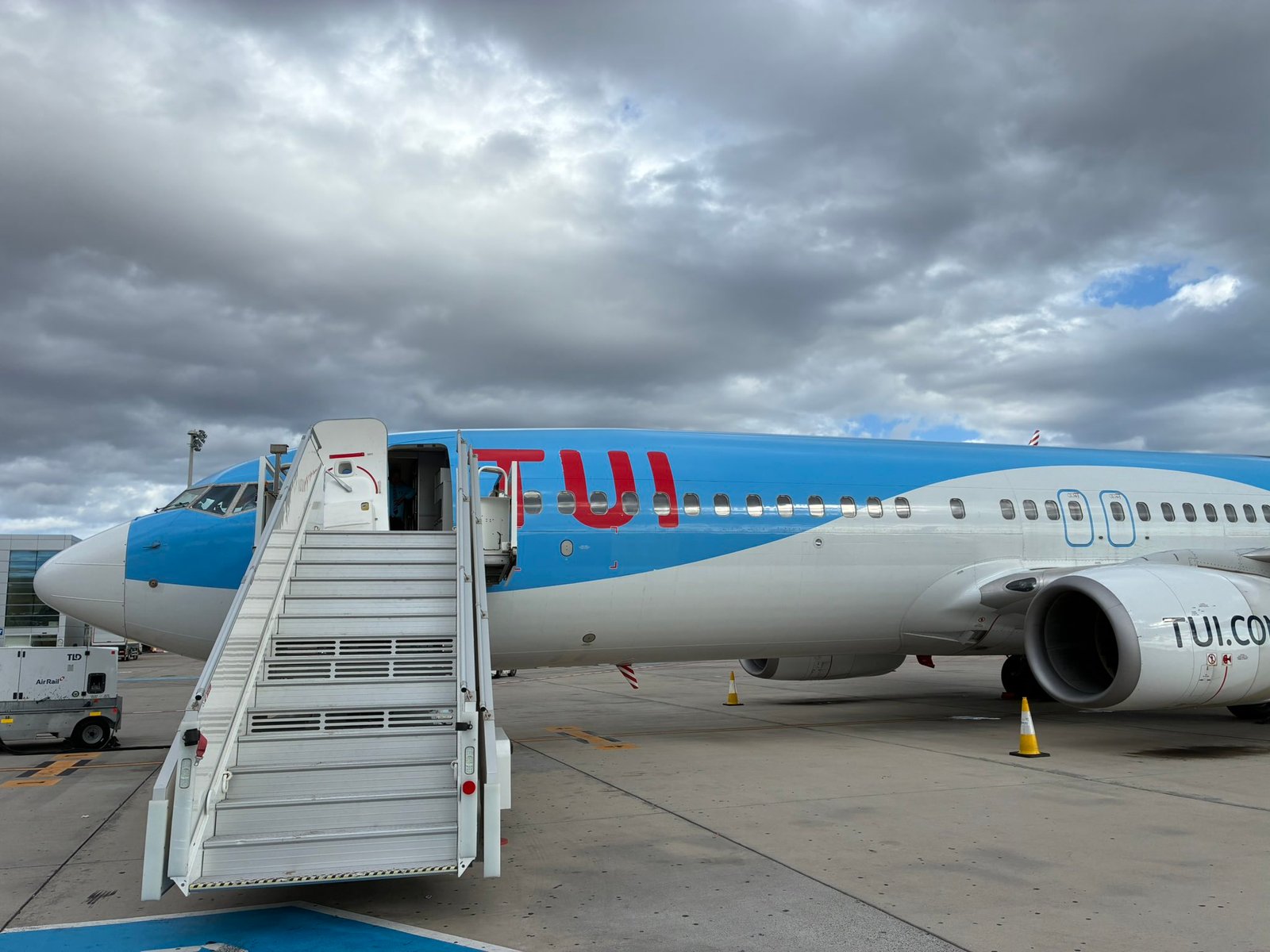
TUI Airlines Nederland has successfully secured an air service licence from the Kenya Civil Aviation Authority (KCAA) for its Amsterdam–Zanzibar–Mombasa route, mere months after being counted among a group of five firms that faced rejection.
This decision opens the skies for the Dutch carrier to connect European travellers directly to Kenya’s coastal allure and Zanzibar’s shores.
The journey to this approval was not without its turbulence. In June 2025, KCAA had revealed a blanket denial for several applicants, including TUI Airlines Nederland.

At that time, their application for inclusive tour charters on the specific route, operating two weekly flights with a Boeing 787 based in Amsterdam, was declined.
The rejection placed them alongside other aspirants like Salaam Air and Cargo Express, SOS and Chris Aviation, ASL Airlines Ireland, and African Airlines International, whose varied proposals for domestic and international services were similarly turned down.
TUI has been awarded a one-year licence effective from November 2025. The approved service remains consistent with their initial proposal: operating inclusive tour charters on the Amsterdam-Zanzibar-Mombasa-Amsterdam circuit with two frequencies per week, and crucially, without traffic rights for carrying passengers solely between Zanzibar and Mombasa.
This specific condition ensures the flights function as a cohesive tour package originating from and returning to Europe. This licensure is also a substantial win for both the airline and Kenya’s tourism industry as well as East Africa.
It facilitates a direct pipeline for European holidaymakers, predominantly from the key source market of the Netherlands, to the beaches of Mombasa and the cultural tapestry of Zanzibar.
The use of a wide-body Boeing 787 aircraft promises significant passenger capacity, potentially injecting valuable tourism revenue and bolstering the coastal economy.
The approval suggests that the airline and the regulatory authority successfully navigated and resolved any initial concerns, which may have pertained to operational technicalities, bilateral agreements, or market considerations.
As the airline prepares to launch its services, this development celebrates a new air link. It also signals Kenya’s ongoing, selective openness to international carriers that align with its strategic tourism and aviation goals, ensuring connectivity grows in a manner that is sustainable and mutually beneficial.
