

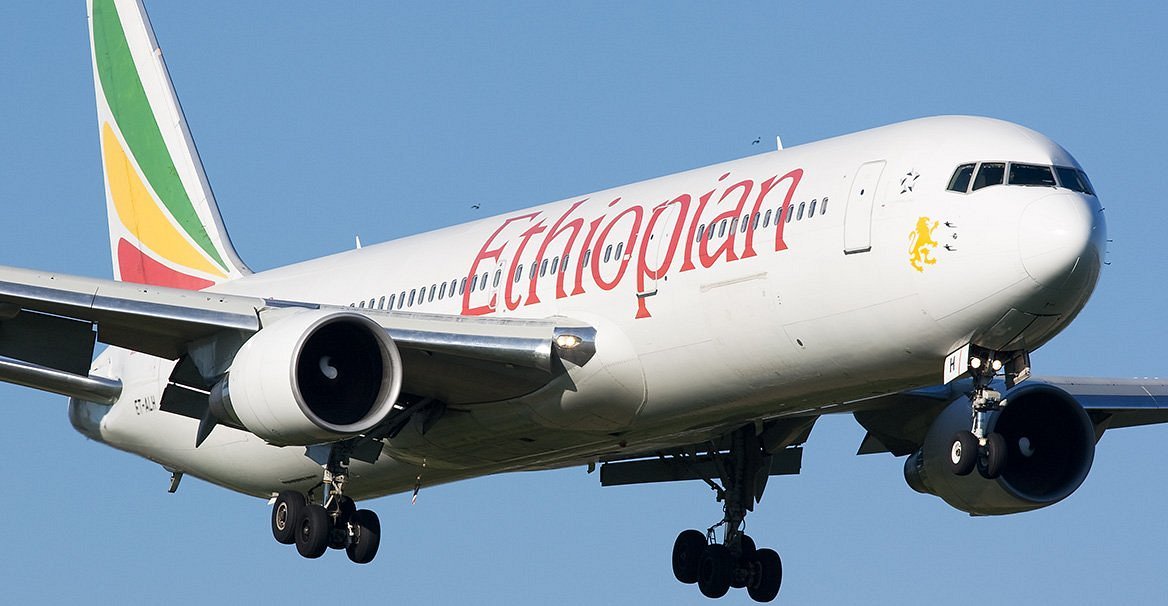
Construction of Ethiopia’s $12.5 billion Bishoftu International Airport (BIA)—designed to accommodate up to 60 million passengers per year—began in earnest in mid-January, in what experts familiar with large-scale infrastructure projects say will be Africa’s largest airport.
Ethiopian Prime Minister Abiy Ahmed said during the project’s launch on Saturday, January 10, that the “multi-airport” facility—located 40 kilometres southeast of Addis Ababa at an altitude of 1,910 metres—will not only be the largest transport infrastructure project in the history of the Horn of Africa, but also one of the busiest airports globally.
“The project will strengthen Ethiopian Airlines’ global competitiveness, enhance Africa’s connectivity under the African Continental Free Trade Area (AfCFTA) framework, expand trade and tourism corridors, and position Ethiopia as a premier intercontinental hub,” Ahmed wrote on X.

He added that the initiative not only aligns with Ethiopia’s national economic reforms, industrialisation agenda, and long-term aviation strategy, but also marks the beginning of the country’s transition toward modernisation, prosperity, and renewed enthusiasm for change.
The first phase of the new airport will handle millions of passengers annually, with an ultimate master plan capacity of 110 million passengers per year, placing Ethiopia among the world’s top aviation hubs. The project also includes a multi-lane modern highway linking the airport to Addis Ababa, as well as a 38-kilometre high-speed railway operating at speeds of 120 to 200 kilometres per hour.
“The first phase of the airport project will feature two large passenger terminals, two parallel runways, parking capacity for 180 aircraft, a hotel, and a cargo terminal capable of handling 1.5 million tonnes of goods annually, as well as an aircraft maintenance hub,” said Mesfin Tasew, Group Chief Executive Officer of Ethiopian Airlines Group.
According to Tasew, once completed, the mega airport is expected to strengthen Ethiopian Airlines’ global competitiveness, enhance Africa’s connectivity under the AfCFTA, expand trade and tourism corridors, and position Ethiopia as a major intercontinental aviation hub.
