

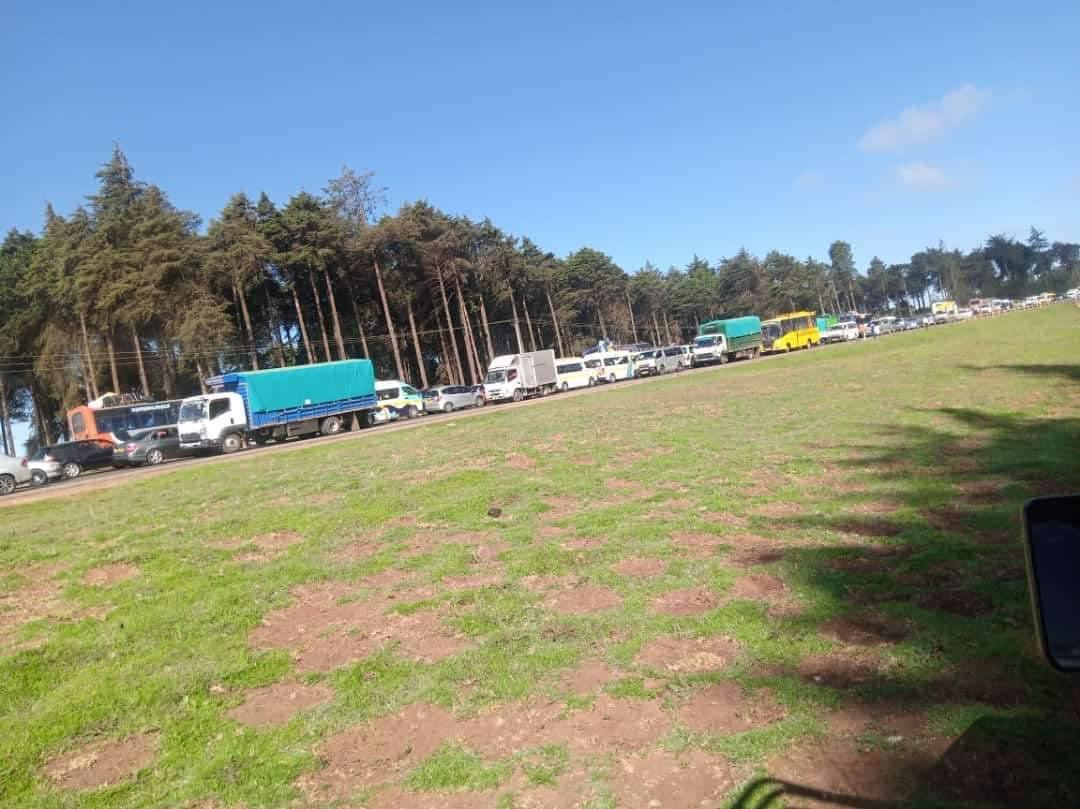
In Nairobi, traffic is more than an inconvenience; it is a daily drain on time, money, and energy. Ask any Kenyan, and they will share stories of hours lost, fuel burned, and expenses piled up from gridlock that seems to defy every plan to control it.
This imposes a tax on daily life through soaring fuel consumption, inflated prices for goods and services, and the constant wear and tear on vehicles navigating imperfect roads.
However, while Nairobi grapples with grounded congestion, a new solution is on the horizon, and it will not be on the road but above it. Dubai’s Roads and Transport Authority is preparing to launch a revolution in urban mobility through commercial electric air taxis.
Developed by California-based Joby Aviation and set to begin commercial operations by the end of this year, these air vehicles offer a glimpse of what moving through a city could become.
After a successful test flight last June, the air taxis are now cleared for takeoff and are backed by an exclusive six-year contract with the authority.
What makes this futuristic innovation particularly interesting is its potential. These electric air taxis can travel up to 160 kilometers at speeds of 320 km/h, all without producing operating emissions and quietly enough to blend into an urban soundscape.
They are designed not to replace road networks but to complement them, offering a swift alternative above the fray. For cities burdened by traffic, from Nairobi to countless others in Africa and worldwide, Dubai’s move is an invitation to reimagine what is possible.
It suggests that the solution to congestion may not only lie in expanding what we have on the ground but also in thoughtfully integrating what can move through the air. The sky, long seen as the limit, may become part of the daily commute and the answer to never-ending traffic challenges.
