

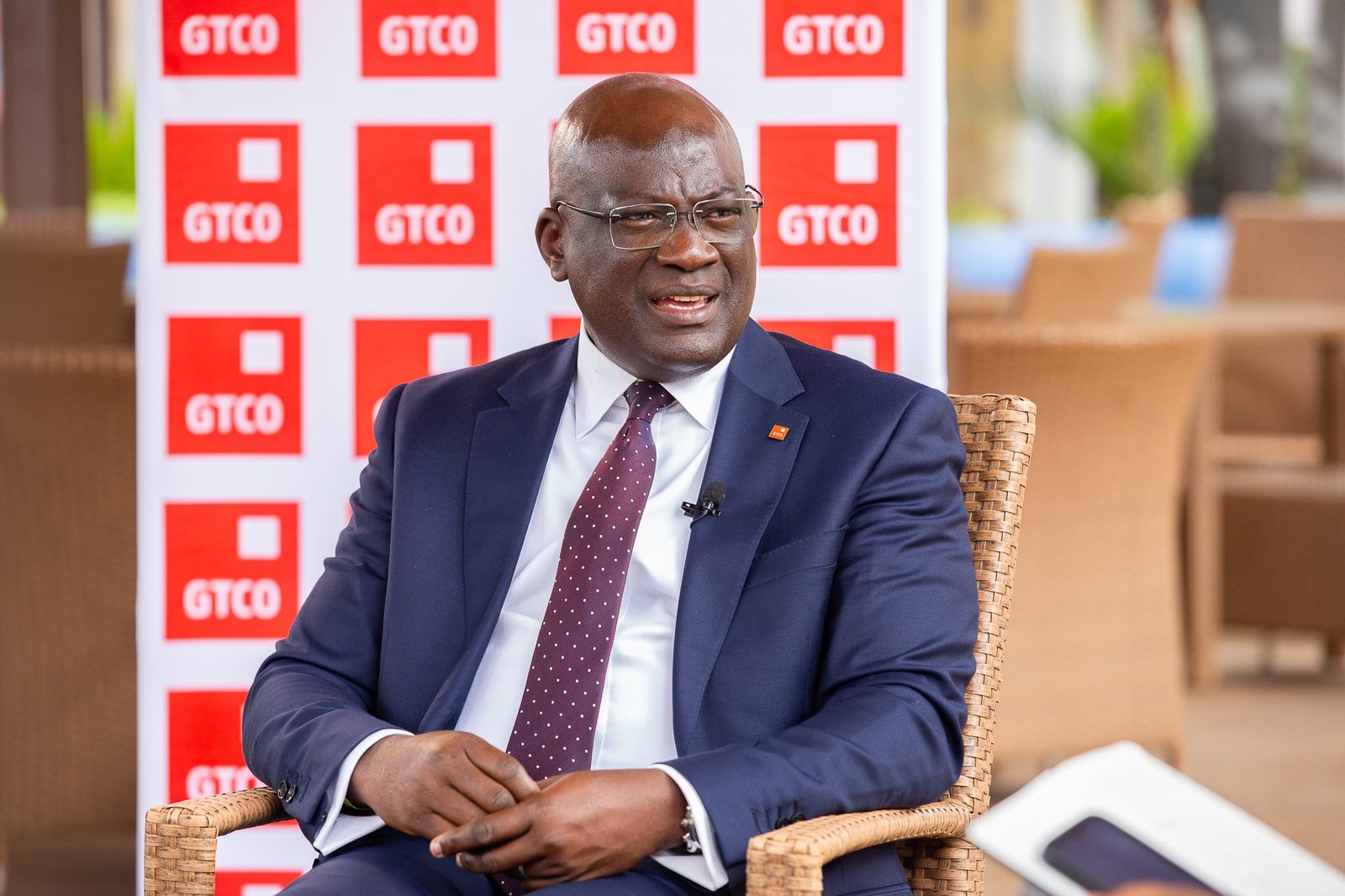
The Competition Authority of Kenya (CAK) has imposed a penalty on Guaranty Trust Bank Kenya Limited (GT Bank) for what it describes as misleading representations and unconscionable conduct against one of its corporate clients.
The watchdog has ordered the lender to pay a pecuniary penalty of Sh33.2 million representing 2% of its gross annual turnover for 2023, in addition to refunding Sh13.2 million to the complainant, ASL Limited, for improperly levied fees and charges.
Following this move, GT Bank appealed the decision to the Competition Tribunal, and the matter is now sub judice. CAK’s ruling stems from a complaint lodged by ASL Limited, a diversified company operating in the manufacturing, distribution, and industrial sectors, regarding the management and renewal of its credit facilities.
ASL had maintained a banking relationship with GT Bank since 2001, securing various credit facilities in July 2021 including overdrafts, letters of credit, asset financing, and working capital support, which were scheduled for review and renewal in May 2022. When ASL submitted its renewal application in January 2022, well within the prescribed period, the bank allegedly failed to provide a definitive position despite months of engagement.
The situation deteriorated further when, after a brief extension and the imposition of new conditions including reduced trading limits, the bank issued a default notice in October 2023 and charged ASL approximately Sh13.2 million in default interest that appeared to be backdated to August of that year.
This placed the company under immense financial strain, forcing it to clear overdraft amounts totaling Sh417.85 million and Sh25.52 million ($197,802) to facilitate a takeover by I&M Bank and avert business disruption. While GT Bank later offered to refund Sh2.8 million as a goodwill gesture, ASL rejected this amount and sought full restitution, arguing the charges were unfairly applied.
The Authority determined that GT Bank had violated provisions of the Competition Act on multiple fronts. The bank was found to have engaged in false or misleading representations by continuing to charge fees for unapproved facilities, applying default interest retroactively without prior notice, and referring to materially altered offers as renewals. This misrepresented the continuity and nature of its services.
It also found that the bank’s conduct met the threshold for unconscionable conduct, noting that GT Bank leveraged its substantially higher negotiating power as a commercial lender to treat ASL unfairly. The investigation revealed that the bank imposed conditions not reasonably necessary for protecting its legitimate interests.
It reduced facility limits significantly while demanding additional security and employed unfair tactics that pressured ASL into accepting unfavorable terms despite the company’s indication of an impending facility takeover. The watchdog has demonstrated its willingness to hold financial institutions accountable for oppressive conduct.
This decision serves as a critical reminder to the banking sector that regulatory bodies are actively monitoring how lenders treat customers during vulnerable moments, particularly when renewal negotiations drag on and default provisions are triggered under questionable circumstances.
Therefore, this ruling offers reassurance that mechanisms do exist to challenge unfair treatment by institutions that hold significant leverage over their financial stability. Moving forward, this may reshape how financial institutions approach customers in order to avoid similar sanctions.
