

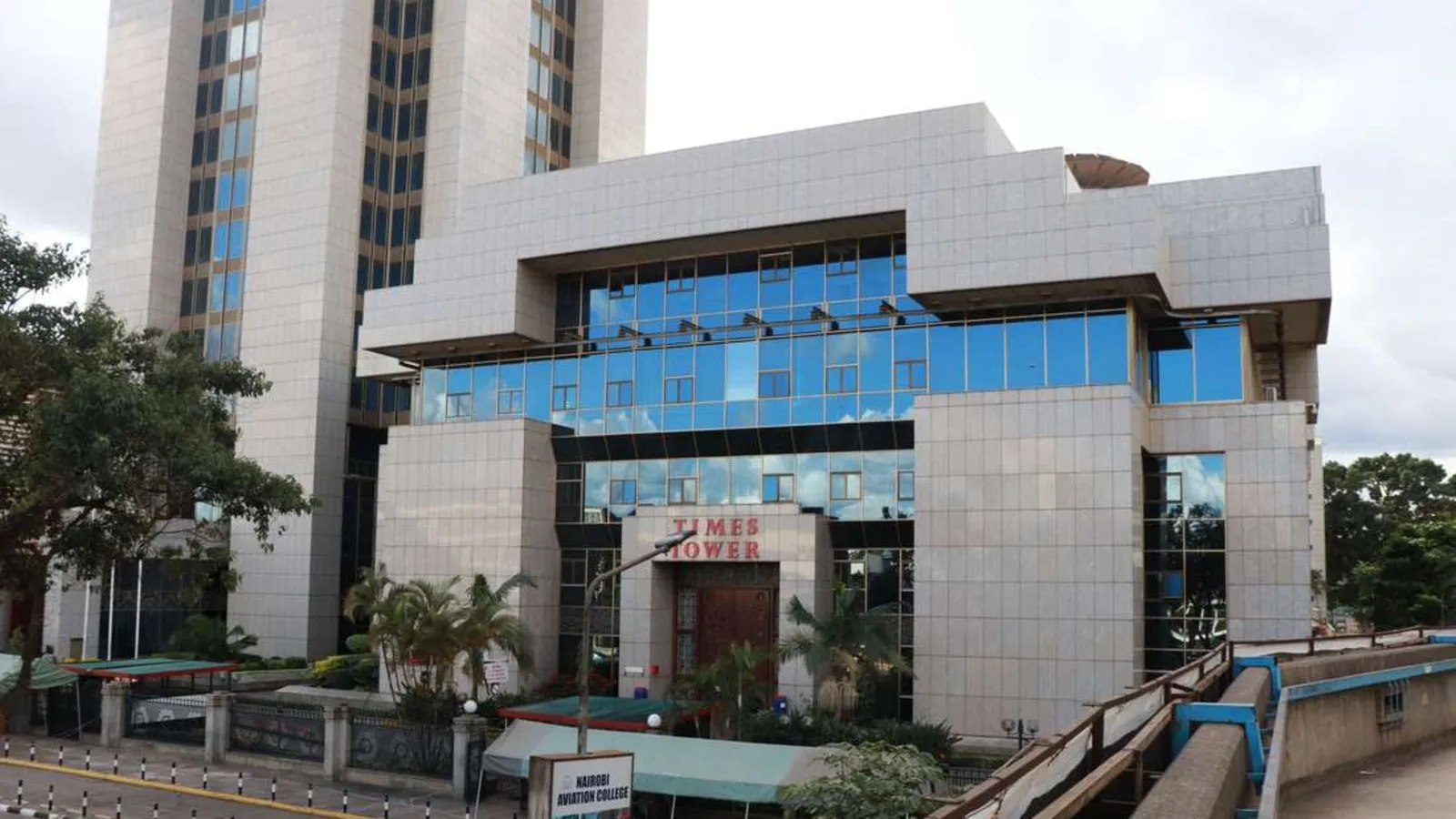
The Kenya Revenue Authority (KRA) collected KSh 2.038 trillion in revenue by March 31, 2026, narrowly missing its nine-month target of KSh 2.122 trillion for the period between July 2025 and March 2026.
Despite the shortfall, the tax authority recorded notable growth compared to the KSh 1.829 trillion collected during the same period in the previous financial year.
“This represents a performance rate of 96.1% and an 11.4% growth over the corresponding period in the previous financial year,” KRA said in a statement on Tuesday.
KRA attributed the improved performance to increased efficiency in tax administration, enhanced digital systems, and measures aimed at improving compliance. The authority noted that collections rose consistently across all three quarters, signalling a gradual economic recovery and improved taxpayer participation.
Domestic taxes remained the largest contributor, generating KSh 1.301 trillion over the nine-month period, representing a 10.4% increase from the previous year. Meanwhile, customs and border control revenues outperformed expectations, surpassing their target with collections of KSh 733.7 billion—translating to a performance rate of 100.9% and 13.3% growth.
Exchequer revenue amounted to KSh 1.834 trillion, achieving 95.5% of the target, while KSh 204.452 billion was collected on behalf of other government agencies.
The authority described the upward trend as a reflection of both economic resilience and strengthened revenue mobilisation efforts. However, it acknowledged that the gains were realised against a backdrop of economic challenges, including subdued consumer demand, reduced household purchasing power, rising business costs, and uncertainties in the global economy.
Nonetheless, some macroeconomic indicators offered support. The economy recorded a 4.9% growth rate in the third quarter of 2025, while inflation stood at 4.4% in March 2026.
KRA also highlighted the role of digital transformation in boosting revenue collection. Key initiatives included the Electronic Tax Invoice Management System (eTIMS), the GavaConnect developer platform, and a WhatsApp-based tax filing service designed to expand accessibility and bring more taxpayers into the system. Additional efforts such as USSD services and the use of bank agents were cited as improving service delivery and compliance.
With one quarter remaining in the 2025/26 financial year, KRA said it is intensifying enforcement and compliance measures in a bid to bridge the gap and meet its full-year revenue target of KSh 2.97 trillion.
