

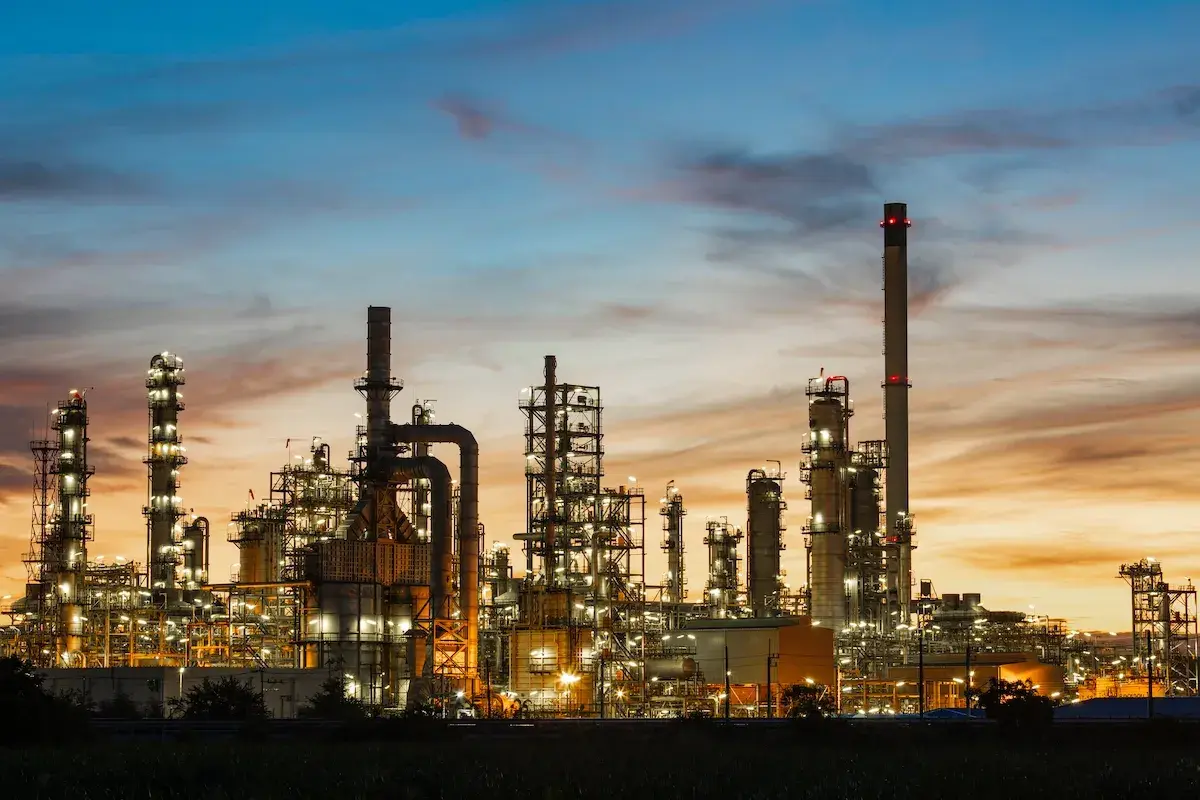
Kenya and Uganda are in talks to establish a regional oil refinery in Tanzania, with Africa’s richest industrialist pledging support for the project aimed at reducing reliance on imported fuel.
The proposed facility, to be located in Tanga, is expected to process crude oil from several East African countries, including Kenya, Uganda, South Sudan and the Democratic Republic of Congo, in a move leaders say will strengthen regional energy security.
Speaking during the Africa We Build Summit 2026 in Nairobi, President William Ruto confirmed the discussions, saying: “We are discussing a refinery in Tanzania. We are discussing that we have a joint refinery in Tanga to benefit all of us because that refinery is going to take on board oil from DRC, Kenya, South Sudan, and Uganda.”
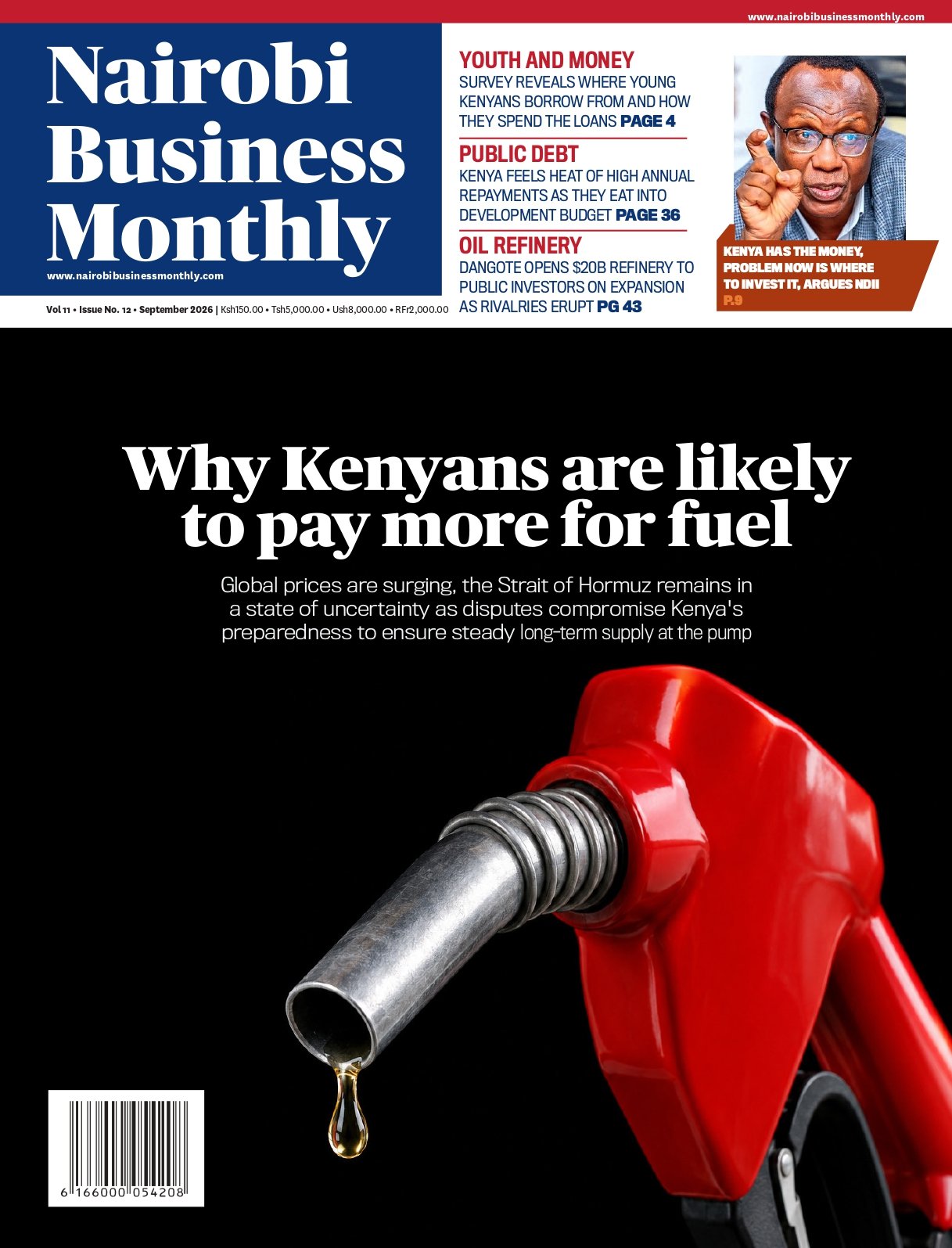
He added: “We will just need to build a short pipeline from Tanga to Mombasa and for the finished product, we will use the pipeline we jointly own with Uganda…Industrialists like Dangote and institutions like AFC appreciate that it is their responsibility to invest in this infrastructure.”
The initiative has attracted interest from Nigerian billionaire Aliko Dangote, whose conglomerate is behind Africa’s largest refinery. He pledged to replicate the Nigerian model in East Africa if governments commit to the project.
“Even now I can give my commitment to the two presidents that if they will support the refinery, we will build an identical one to what we have in Nigeria – 650,000 barrels,” said Mr Dangote.
“My commitment here today is that if we agree with three or four governments about the refinery, we will leave and make sure that the refinery is built within the next four to five years.”
The planned refinery is expected to mirror the capacity of Dangote’s Lagos facility, which processes 650,000 barrels per day and was built at a cost of about $20 billion. The East African project is intended to cushion the region from global fuel price shocks and supply disruptions.
The talks come against the backdrop of rising energy costs triggered by instability in global oil markets, including disruptions linked to tensions in the Middle East that have affected supply routes such as the Strait of Hormuz.
Ugandan President Yoweri Museveni reiterated his long-standing opposition to exporting raw materials, insisting that local processing is key to economic growth and job creation.
“In Uganda, I have banned the export of unprocessed minerals,” he said. “But refineries have a very high rate of return. Why do you take oil (outside) when users are here?”
He added: “It is better if the countries have ownership together. We owned ports, airports and railways together.”
Uganda has already begun oil production, with output expected to increase, supported by the East African Crude Oil Pipeline linking its fields in Lake Albert to Tanga. Part of the crude will supply the proposed regional refinery, while additional volumes will feed a separate domestic refinery under development in Kabaale.
Kenya’s involvement also builds on existing energy ties with Uganda, which holds a 20.15 per cent stake in the Kenya Pipeline Company. Nearly all of Uganda’s petroleum imports currently pass through Kenyan infrastructure.
The refinery plan is part of a broader push for cross-border infrastructure investment across Africa, championed by institutions such as the Africa Finance Corporation, as governments seek to boost industrialisation and reduce vulnerability to external supply shocks.
If implemented, the project could mark a major step in regional integration, while providing a long-term solution to fuel supply challenges facing East African economies.
