

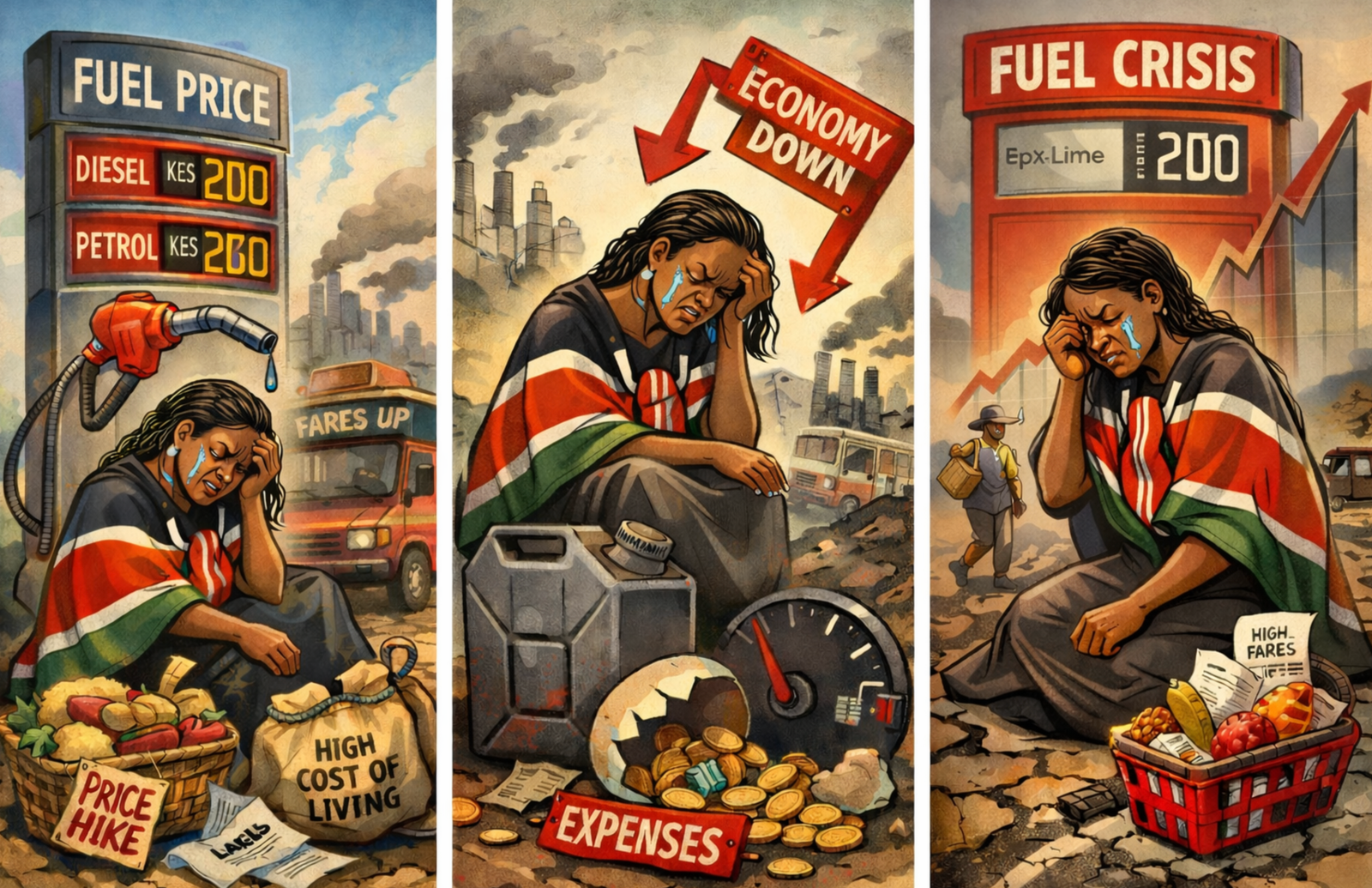
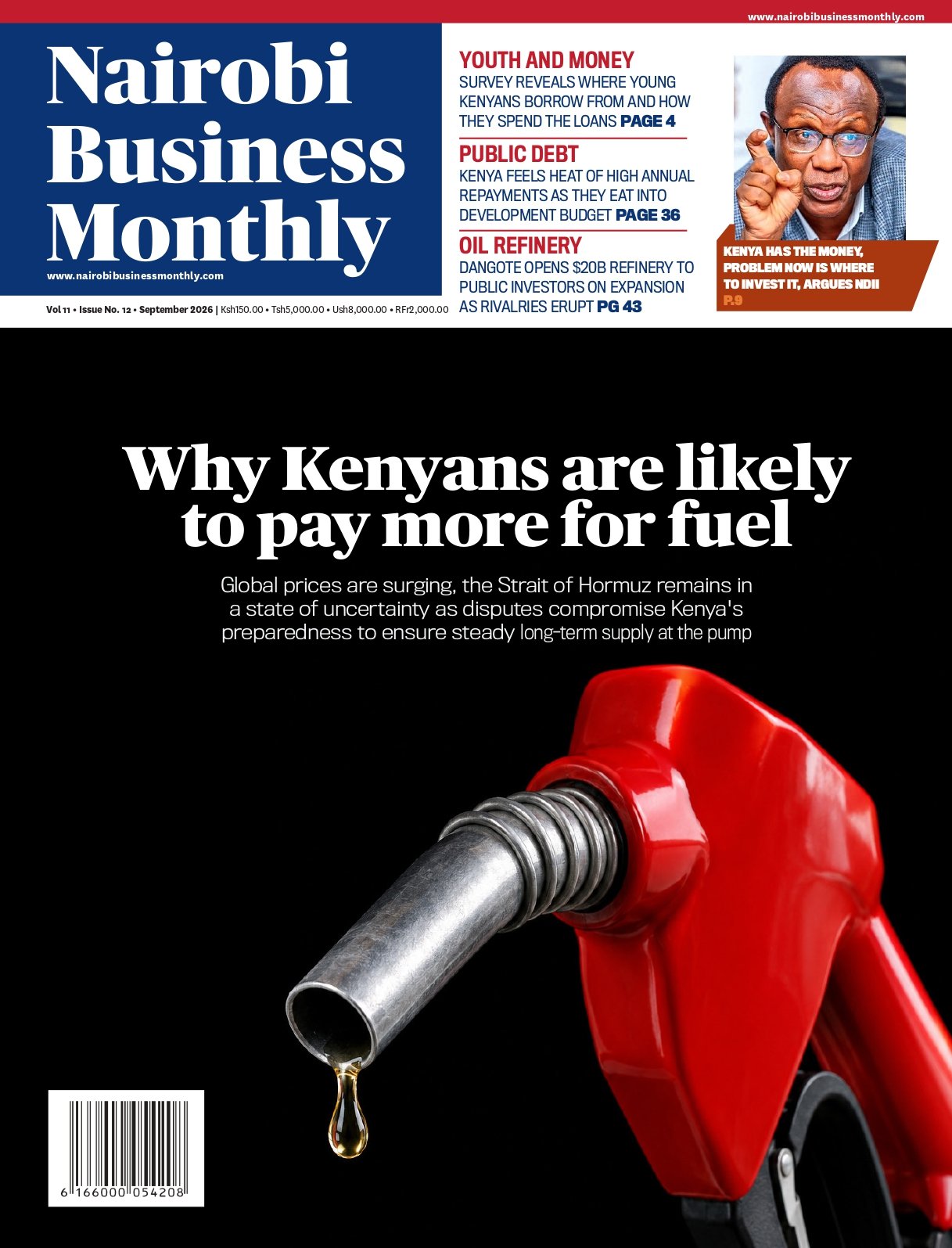
Kenyans could face serious health and environmental risks following the government’s decision to relax fuel quality standards and allow the importation of higher sulphur petroleum products into the country.
Experts warn that the move could expose millions to harmful emissions linked to respiratory illnesses, while motorists brace for rising vehicle maintenance costs caused by the low-grade fuel already circulating in the market.
The imported petrol and diesel now contain sulphur levels of up to 50mg/kg, a sharp increase from the previous limit of 10mg/kg. Specialists say the higher sulphur concentration produces dangerous particulate matter and sulphur dioxide emissions, both associated with respiratory complications and worsening air quality.
Legal and policy analyst William Anyone Onyone said the impact of the fuel quality downgrade is already evident.
“Sulphur erodes metal, and damages catalytic converters, which are responsible for controlling harmful emissions. This leads to higher maintenance costs for motorists,” he said.
According to experts, catalytic converters and diesel particulate filters are particularly vulnerable to high sulphur fuel, exposing vehicles to engine damage and inefficiency.
Environmentalists have also raised concern over the broader ecological consequences, warning that increased sulphur emissions could contribute to acid rain, environmental degradation and damage to agriculture, water sources and ecosystems.
Climate experts further argue that the move could derail Kenya’s efforts to cut carbon emissions and transition towards cleaner energy sources.
The government’s decision, championed by Energy Cabinet Secretary Opiyo Wandayi and Trade CS Lee Kinyanjui amid fears of fuel shortages, has triggered criticism from consumer groups and energy analysts. Critics say the short-term intervention may ultimately burden Kenyans with higher healthcare and transport costs.
Industry players said that fuel shortages reported in some areas may have been fuelled by hoarding, as suppliers positioned themselves to benefit from anticipated price increases and expanded sales of lower-grade fuel products.
Mechanic Joseph Wafula warned that prolonged use of poor-quality fuel could significantly reduce vehicle performance and lifespan.
He said public transport operators and logistics firms are likely to face rising operational expenses, costs that may eventually be transferred to consumers through increased fares and commodity prices.
Matatu Owners Association chairman Albert Karakacha criticised the government’s move, saying operators had long opposed the importation of high sulphur fuel.
“We have been opposing moves to allow fuel with high sulphur because it is going to affect the pistons, meaning the vehicle will be frequently out of the road for servicing and engine overhaul, which is very expensive,” Karakacha said.
Adding, “This is unfair because most matatu operators are servicing loans.”
Kisumu Matatu Owners Association chairman Ochieng Omwa questioned whether consumer protection was still being prioritised by regulators.
“As consumers, we have no capacity to measure fuel quality. That responsibility lies with the relevant authorities. What we are asking for is strict enforcement and protection of the end user,” he added.
Car owner Nehemiah Mbasiru also cautioned against sacrificing public safety in pursuit of fuel availability.
“There must be a balance between affordability, availability and quality. Lowering fuel standards without proper regulation could expose Kenyans to unnecessary risks,” he says.
Further controversy emerged after reports that a shipment of fuel allegedly containing even higher sulphur levels, initially detained at the Port of Mombasa, was later released into the market following intervention from the Energy and Trade ministries.
Sources familiar with the matter claimed officials from the Kenya Bureau of Standards and the Kenya Pipeline Company had resisted approving the consignment before pressure was allegedly applied to clear it for distribution.
University of Nairobi researcher Prof XN Iraki questioned the economic logic behind the influx of low-quality fuel.
“Economically, low quality should translate to lower prices. If Kenyans are not seeing reduced fuel costs, then that is a major concern.”
