

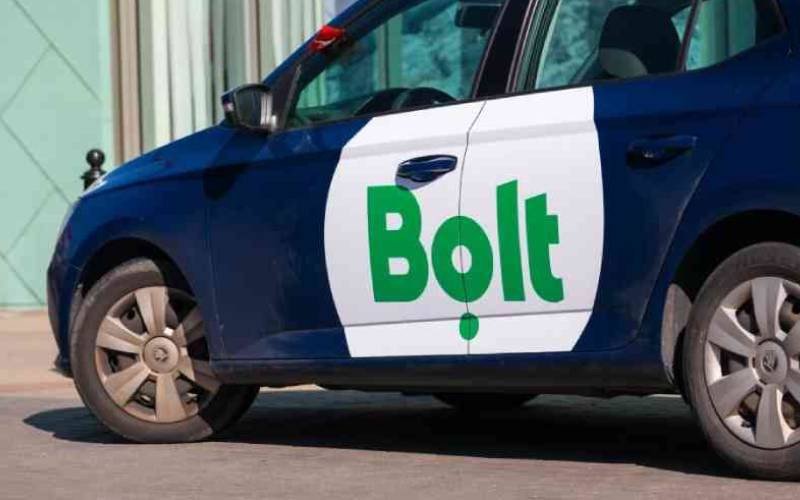
Ride-hailing company Bolt has increased ride charges in Kenya by six per cent following rising fuel prices that have pushed up operating costs for drivers.
The company announced the fare adjustment on Tuesday, saying the move was aimed at cushioning driver-partners affected by the sustained increase in pump prices while maintaining reliable transport services for customers.
Under the latest review announced by the Energy and Petroleum Regulatory Authority on April 16, petrol in Nairobi currently retails at Sh197.60 per litre, diesel at Sh196.63 and kerosene at Sh152.78. The prices remain in force until May 14, when new rates are expected.
Bolt said the decision followed concerns raised by drivers over the rising cost of doing business, particularly fuel expenses.
“Our driver partners are at the heart of our platform, and their ability to earn sustainably is critical to the entire ecosystem. This fare adjustment is part of a broader effort to respond meaningfully to their concerns, particularly around fuel prices, while ensuring that our service remains accessible and dependable for riders,” said Dimmy Kanyankole, Senior General Manager for Rides in East Africa.
The company noted that it has been consulting drivers to better understand the financial pressures affecting their operations and identify ways of sustaining the sector.
“We understand that price changes affect both drivers and riders, and we have taken a thoughtful approach to ensure that this adjustment supports the sustainability of our platform for everyone,” added Kanyankole.
According to Bolt, improved earnings for drivers could also translate into better services for passengers through shorter waiting times and increased driver availability.
“Better-paid drivers mean more drivers on the roads, leading to shorter wait times, improved service quality, and a more consistent rider experience,” he said.
Last month, online taxi operators in Kenya proposed a minimum fare of Sh450 for journeys of up to three kilometres after the fuel price increase announced by Epra. However, ride-hailing companies did not immediately implement the proposal, leaving fares unchanged at the time.
Kenyans are now awaiting the next monthly fuel price review by Epra amid concerns over global oil supply disruptions linked to tensions in the Middle East.
In April, President William Ruto announced a Sh6.5 billion government subsidy aimed at cushioning consumers from escalating fuel prices.
The National Assembly of Kenya also reduced Value Added Tax on fuel products from 16 per cent to eight per cent in an effort to ease the burden on consumers.
