

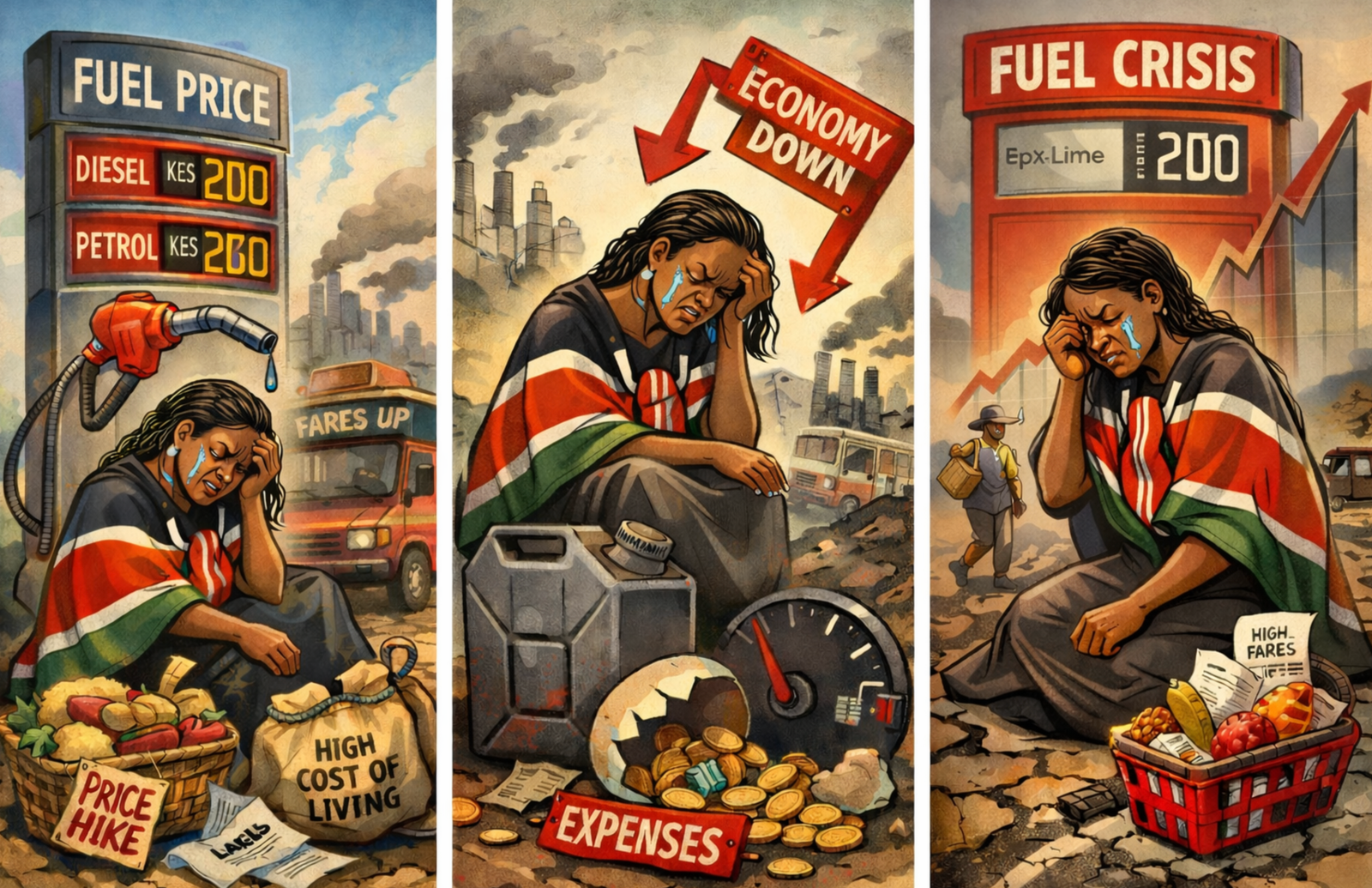
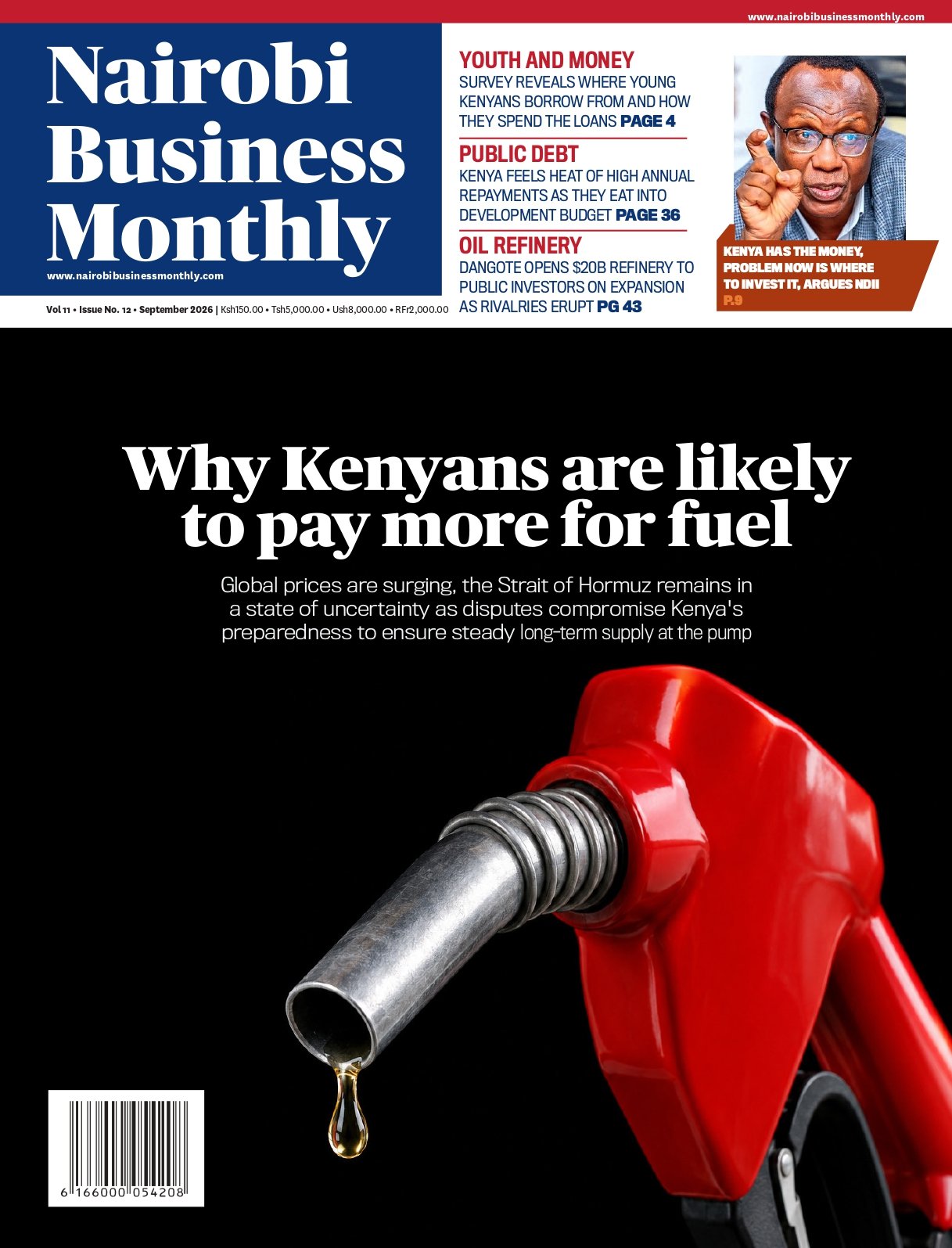
Rising fuel prices are squeezing businesses and households across Kenya, with the country’s top trade lobby warning that mounting taxes could further damage an already strained economy.
Speaking during a webinar organised by the Kenya National Chamber of Commerce and Industry in partnership with Ichiban Tax & Business Advisory LLP, KNCCI chief executive KK Mutahi said soaring pump prices were pushing up the cost of transport, production and everyday essentials.
“Fuel is not a luxury. It is the bloodstream of the economy,” Mutahi said. “It moves goods, powers production, supports logistics, and influences the price of almost every product and service in the market. When the cost of fuel rises, the cost of doing business rises, and the impact is felt by businesses and consumers alike.”
His remarks came as the government prepares fresh talks with transport operators next week after strike action disrupted movement in Nairobi and other towns. Demonstrators protesting against high living costs and government policies recently clashed with police, who used tear gas to disperse crowds.
- Diesel down as kerosene soars in EPRA fuel review
- Matatu strike suspended as fuel price talks continue
Business leaders warned that additional taxes proposed under the Finance Bill 2026 could worsen pressure on firms already struggling with high operating costs. Mutahi said the cumulative burden of fuel levies and taxes remained one of the private sector’s biggest concerns.
Tax analysts from Ichiban Tax & Business Advisory argued that the government could ease pressure on workers and businesses by removing the Housing Fund Levy. They noted that some of the money collected had reportedly been channelled into Treasury bills instead of immediate housing projects.
The experts also backed a proposal by the Kenyan Bankers Association to lower Pay As You Earn tax rates. According to their estimates, a five per cent reduction in PAYE could inject Sh28 billion into the economy, create 36,000 jobs and generate an additional Sh31.2 billion in revenue within a year.
Mutahi urged the government to work more closely with businesses when drafting tax measures.
“Private sector engagement is no longer an option. It is a constitutional obligation and a practical necessity,” he said.
