

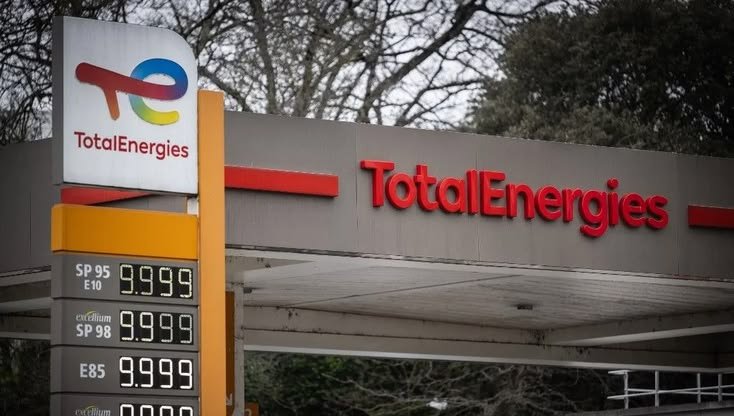
TotalEnergies Kenya now powers more than half of its fuel stations using solar energy.
The company’s disclosures show that 154 of its stations across Kenya were powered by solar
systems as of December 2025, while it had 285 stations as of May 2026, accounting for 54
percent of its outlets.
The French-owned company has rolled out this solar installation strategy to lower electricity
bills, ensure a steady supply during outages, and reduce carbon emissions.

“As at the end of December 2025, 154 service stations across the country were powered by
solar energy,” TotalEnergies said in its end-of-year report for 2025.
However, this comes at a time when Kenya Power faces growing revenue risk, as more large
companies have resorted to generating their own electricity.
A list of manufacturers, including Bidco Africa, Mabati Rolling Mills, Simba Cement,
Unilever Tea Kenya, British American Tobacco, Devyani Food Industries, Bio Food
Products and Maisha Mabati Mills, have adopted solar power to reduce emissions and
cut operational costs.
Beverage giant Coca-Cola has also joined the shift by securing regulatory approval to install
solar generation systems at its Kisumu and Nairobi facilities, which will produce combined capacity
of almost 4 megawatts once complete.
This migration of industrial and commercial customers to solar power could weigh on Kenya
Power’s future revenues, given that the segment accounted for 64 percent of the utility’s
electricity sales revenue, or Sh148.2 billion, according the regulatory filings in the year ended
June 2025.
The solar push also comes as TotalEnergies seeks to strengthen its position in Kenya’s highly
competitive fuel retail market.
Data from the Energy and Petroleum Regulatory Authority (EPRA) places the company third
in market share, behind Vivo Energy and Rubis Energy Kenya.
The company did not disclose how much it has saved from the solar rollout so far, but the
scale of the investment signals that self-generated power will remain part of its
stations.
– By Daniel Kamau
