

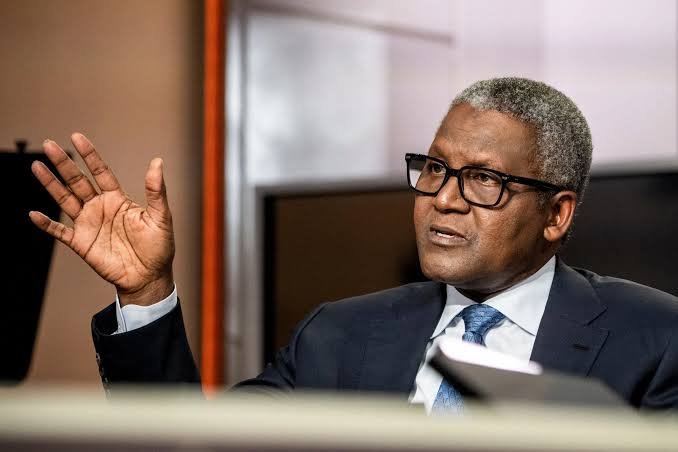
The Capital Markets Authority (CMA) has warned Kenyan investors against fraudulent schemes offering them shares in the initial public offering (IPO) of Nigeria’s Dangote Petroleum Refinery and Petrochemicals, clarifying that the offer has not been submitted for consideration or approval under Kenya’s regulatory framework.
In a public advisory issued on Monday, September 21, the regulator was explicit about the offer’s status locally. “This public offer is regulated in Nigeria and has not been submitted for consideration and approval by CMA under the applicable Kenyan legal and regulatory framework,” the authority said.
The warning comes as the IPO generates strong retail investor interest across Nigeria and the wider region, having opened on September 14 and remaining open until it closes on October 13, 2026. Nigeria’s Securities and Exchange Commission has approved the sale of 4.1 billion ordinary shares priced at 525 naira each, an offer that could raise as much as 2.15 trillion naira, roughly $1.6 billion, if fully subscribed.
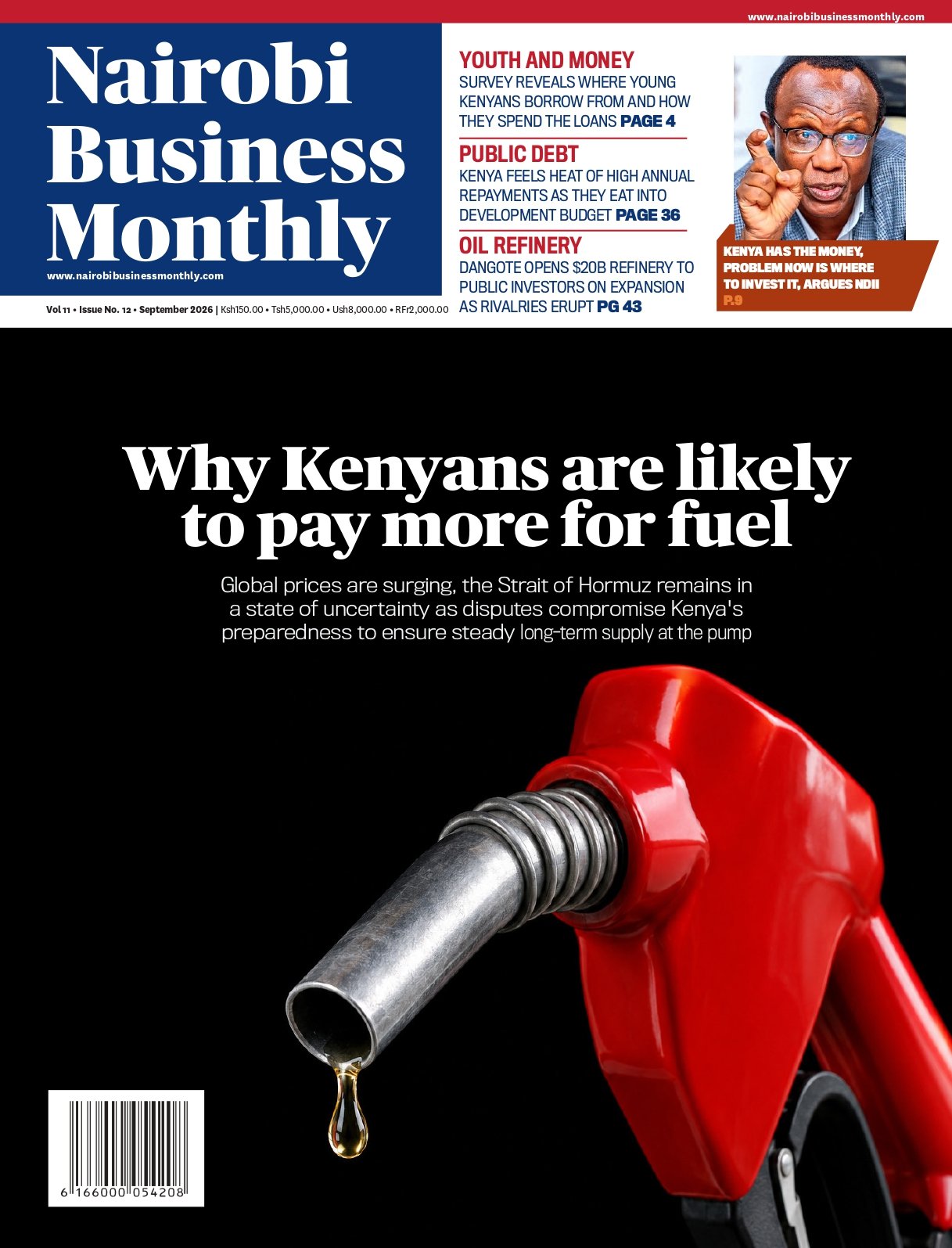
CMA’s concern centres specifically on unauthorised individuals and online platforms attempting to market the shares directly to Kenyans without going through the country’s own regulatory process. The authority urged members of the public to independently verify the authenticity and source of any prospectus or other offering document before making investment decisions, sending money, or providing personal or financial information.
“Members of the public are advised to only rely on official communication from the relevant regulators, issuers and authorised channels in respect of any public offer,” the regulator said, further advising investors to transact only through licensed intermediaries and to check their status on CMA’s official licence register.
Jackson Mwangi, a capital markets enthusiast, explained the legal basis behind the warning, noting that regulatory approval in Nigeria does not automatically extend to Kenya.
According to Mwangi, Kenya’s Capital Markets Act requires any issuer or offeror seeking to make a public offer of securities within the country to first submit a prospectus to CMA for approval, a requirement reinforced by the Capital Markets (Public Offers, Listings and Disclosures) Regulations, 2023, which set out the framework governing disclosure, prospectus filing and approval for public offers made locally.
“This means that any legitimate attempt to market the Dangote shares directly to Kenyan members of the public would have to comply with Kenya’s regulatory framework, including obtaining the necessary CMA approval,” Mwangi said, adding that while the Dangote IPO itself is a legitimate Nigerian securities offering, that legitimacy does not automatically extend to every advert or platform claiming to offer Kenyans access to it.
Nigeria’s own Securities and Exchange Commission issued a parallel warning on September 14, the day the offer opened, confirming its approval of the IPO while cautioning investors to apply and pay only through authorised receiving agents and approved platforms, and warning specifically against fake websites, WhatsApp messages and social media adverts promising access to the shares.
The CMA’s caution has not stopped Kenyan interest in the underlying offer from building through official channels. Nairobi Securities Exchange Chief Executive Officer Frank Mwiti, speaking in Lagos during the IPO’s launch, said the exchange’s priority is finding a way to get Kenyan retail investors, pension funds and asset managers into the current offer through a properly approved route, rather than steering them away from the opportunity altogether.
The warning also landed against the backdrop of a separate, unrelated development in the Kenya-Dangote relationship; hours before CMA issued its advisory, President William Ruto had announced in New York that Kenya was ready to break ground on a proposed $2.2 trillion Lamu refinery project, following talks with Dangote Group founder Aliko Dangote and Africa Finance Corporation Chief Executive Officer Samaila Zubairu focused on financing and final preparations for that separate East Africa refinery venture.
