

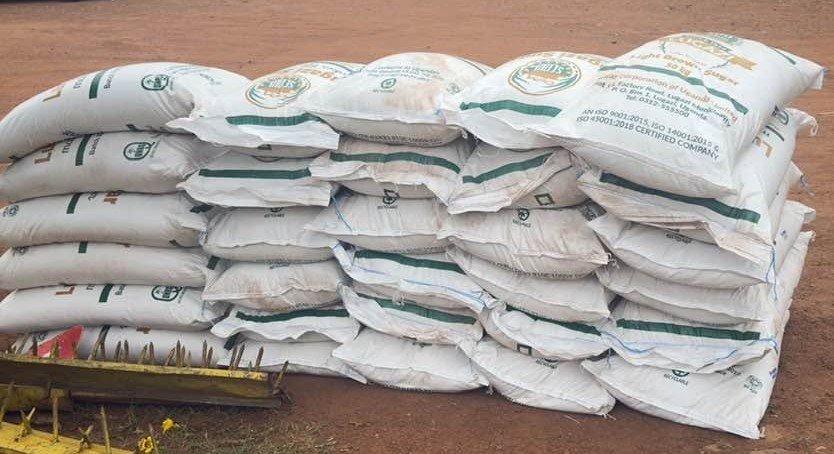
The Kenya Revenue Authority (KRA) has seized about 46 tonnes of suspected smuggled sugar in an operation targeting illicit trade along the Kenya-Uganda border.
KRA’s North Rift Region Investigation and Enforcement Team intercepted two lorries carrying 920 bags of sugar, each weighing 50kg, in Lodwar, Turkana County, at about 2am on October 8, 2026.
The consignment has an estimated tax implication of Sh9.73 million, which could have been lost had the goods entered the market without payment of the applicable taxes.

Preliminary investigations indicate that the sugar originated from Moroto, Uganda, and entered Kenya through Nadapal without payment of the required taxes or completion of customs procedures.
In a separate operation in Kakamega County, KRA officers intercepted a Probox carrying 30 bags of brown sugar valued at approximately Sh1.524 million.
The vehicle was escorted to Matungu Police Station, where it was impounded alongside its contents. According to KRA, the consignment had an estimated tax liability of Sh711,900, comprising import duty, excise duty, Value Added Tax and other applicable levies under the East African Community Customs Management Act.
In another incident along Mumias Road in Matungu, officers pursued a lorry after its driver allegedly failed to stop for a compliance check.
The vehicle was later found abandoned, carrying 100 bags of sugar valued at approximately Sh500,000. One suspect was apprehended, while other occupants reportedly fled on foot.
KRA Enforcement Chief Mohamed M’maka said the authority was intensifying public sensitisation and enforcement in areas identified as vulnerable to smuggling.
He warned that smuggling was an offence under the East African Community Customs Management Act, 2004, and that those found culpable could face prosecution and financial penalties.
M’maka also said enforcement measures were intended to protect government revenue and local manufacturers from unfair competition.
The multi-county operation forms part of KRA’s efforts to curb smuggling, safeguard public revenue and promote fair competition for businesses that comply with tax and customs requirements.
– By John Murunga
