

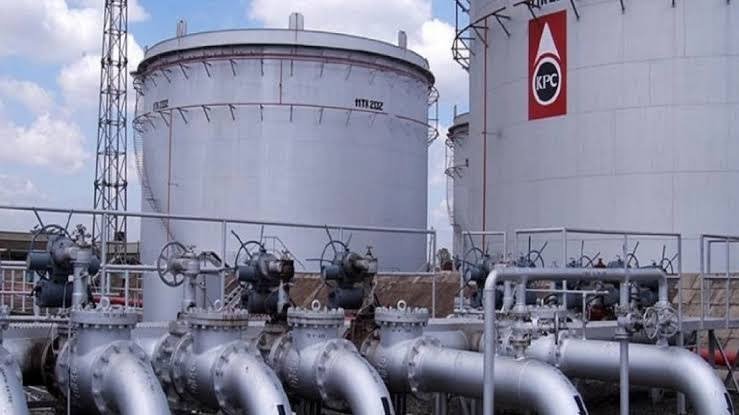
Kenya Pipeline Company (KPC) Plc grew its net profit by 13 per cent to Sh11.58 billion in the financial year ended June 2026, up from Sh10.24 billion the year before, according to results released on October 14.
The improvement was driven by higher revenue, more efficient operations and stronger cash generation. Following the results, the board has proposed a first and final dividend of Sh0.32 per share, representing a total payout of Sh5.9 billion, for shareholders following the company’s listing on the Nairobi Securities Exchange (NSE) earlier this year.
Investors on the register at the close of business on November 30, 2026, will qualify for the dividend, which is subject to shareholder approval.

Total revenue rose 9 per cent to Sh42.98 billion from Sh39.5 billion, as the volume of petroleum products transported to the local and transit markets grew by 7 per cent. Transport remained the main earner, bringing in Sh41.82 billion compared with Sh38.59 billion a year earlier.
Profit before tax stood at Sh17.54 billion. Cash generated from operations rose 34 per cent to Sh17.39 billion, while cash and cash equivalents nearly doubled to Sh20.54 billion, an increase of 84.4 per cent.
The balance sheet also strengthened. Total assets grew 6 per cent to Sh149 billion, and shareholders’ equity rose 11 per cent to Sh119 billion. Borrowings fell 83 per cent to Sh442.86 million as the company continued to reduce its debt.
Acting Managing Director Pius Mwendwa said the state-backed fuel transporter had increased revenue and profit while reducing operating costs, despite a difficult operating environment characterised by volatility in global petroleum prices and supplies linked to the crisis in the Middle East. He said KPC would continue to rely mainly on storing and transporting petroleum products while developing new sources of income.
These are KPC’s first full-year results since the government completed its partial privatisation through an initial public offering (IPO). The offer, priced at Sh9 a share and valuing the company at Sh163.6 billion, saw the State sell 65 per cent of its stake and raise Sh107 billion.
In a statement, the board said it remained committed to “strong corporate governance, strategic expansion and delivering attractive returns to investors”.
Looking ahead, KPC plans to set up an integrated petroleum trading hub at the Kenya Petroleum Refineries Limited facilities in Kipevu, Mombasa. The hub will offer transhipment, bulk breaking, bunkering and re-export services to regional markets.
The company also aims to expand into liquefied petroleum gas (LPG), liquefied natural gas (LNG), biofuels, power generation and third-party petroleum trading. It is studying an extension of its pipeline from Eldoret to Kampala and then to Kigali, which would strengthen Kenya’s position as the region’s main fuel supply route.
“KPC Plc, through the resources at its disposal, is working to unlock untapped potential,” said Chairperson Faith Bett-Boinett. KPC runs a 1,342-kilometre pipeline network and aims to grow its annual revenue to Sh68 billion by the financial year 2030.
