

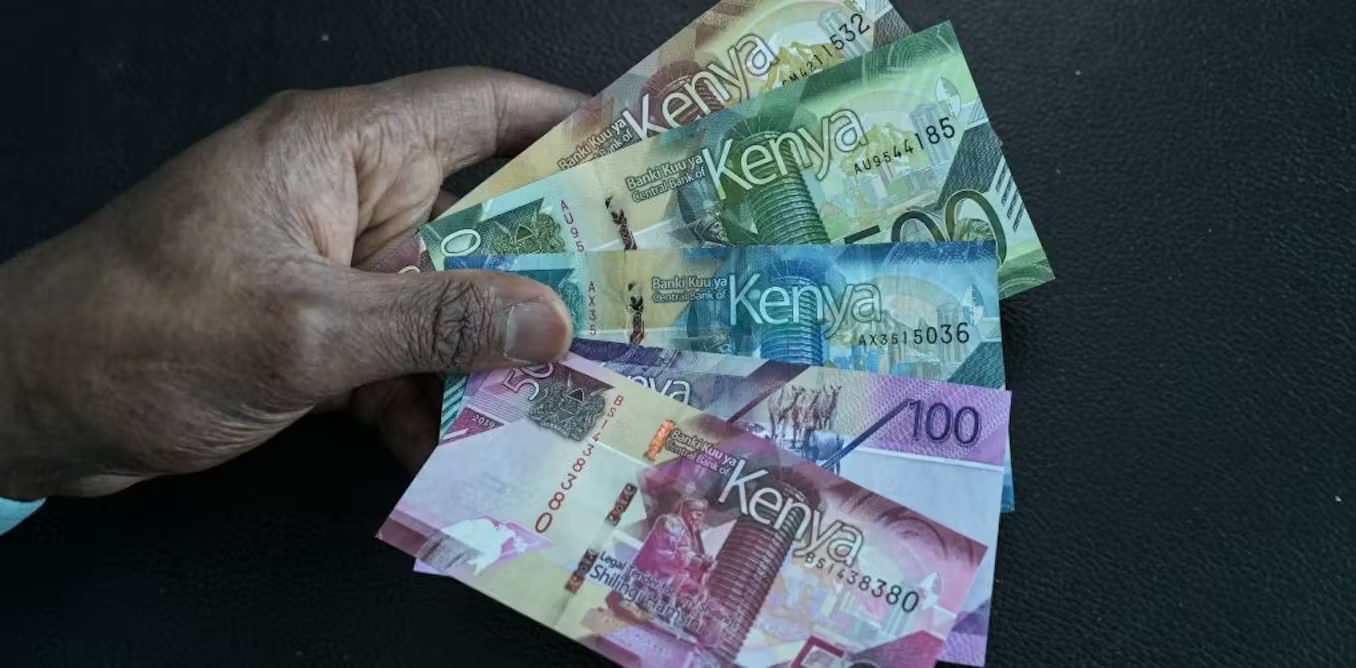
President William Ruto’s plan to stop taxing workers who earn Sh32,333 or less a month has been welcomed by many low-income earners. However, new details show the change would also scrap the Sh2,400 monthly personal relief that every employee currently enjoys. This has raised questions about how the overhaul will affect take-home pay across different income levels.
Here is what we know so far and what is still to be confirmed.
What has been proposed?
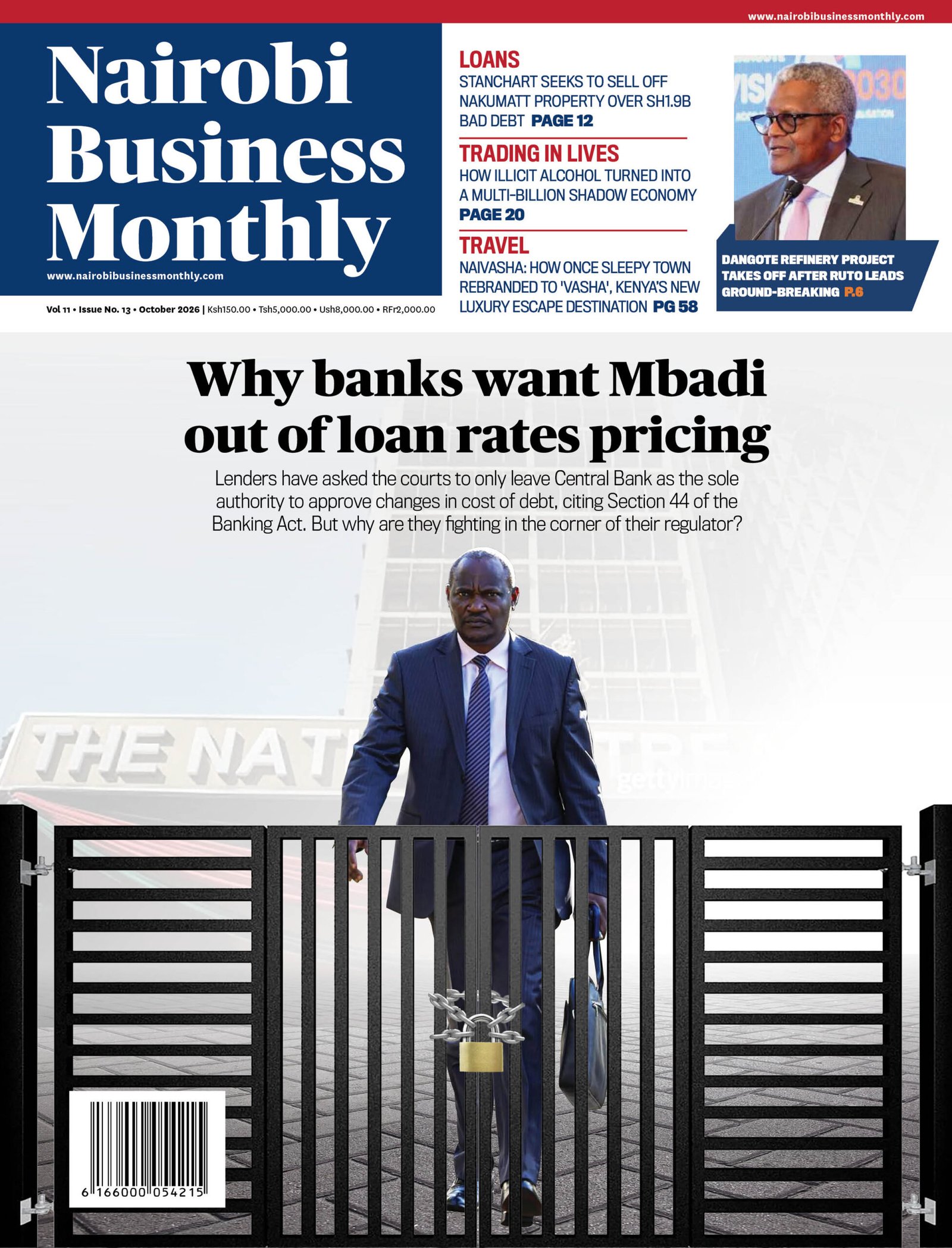
The President announced the plan during the Mashujaa Day celebrations in Eldoret on October 20, 2026. Under the proposal, the first Sh32,333 of an employee’s monthly income would be taxed at zero per cent. The figure was raised from an earlier target of Sh30,000.
According to reports, this tax-free band would replace the current personal relief of Sh2,400 a month, or Sh28,800 a year, which all eligible resident employees receive regardless of how much they earn. Treasury Cabinet Secretary John Mbadi has said a Bill to give effect to the changes will be tabled in Parliament next week.
How does PAYE work now?
Under the current system, the first Sh24,000 of taxable income each month is taxed at 10 per cent, which works out to Sh2,400. The personal relief of Sh2,400 cancels this out, so in practice workers pay no tax on their first Sh24,000. Income above that is taxed in bands at rates of 25 per cent, 30 per cent, 32.5 per cent and 35 per cent.
Who gains?
Workers earning up to Sh32,333 a month stand to benefit most, because they would stop paying PAYE altogether. Business Daily reports that about 362,846 more formal sector workers would be removed from the income tax net.
Take a worker earning a gross salary of Sh30,000 a month. Under the current rules, after deductions for the National Social Security Fund (NSSF), the Social Health Insurance Fund (SHIF) and the Affordable Housing Levy, he or she pays about Sh731 in PAYE and takes home about Sh26,194. Under the proposal, PAYE would fall to zero and take-home pay would rise to about Sh26,925, a gain of roughly Sh731 a month.
Who could lose?
This is where the picture is less clear. Scrapping the Sh2,400 relief affects every employee, including those earning well above Sh32,333. Business Daily reports that people earning more than Sh50,000 a month would end up paying more tax under the review. However, the higher tax rates of 25 per cent and above would stay the same.
How much higher earners pay will depend on how the new tax bands above Sh32,333 are structured, and that detail has not yet been made public. If only the relief were removed and the lower band widened, with everything else unchanged, most workers would pay slightly less tax.
- Ruto proposes zero PAYE for workers earning up to Sh32,333
- Bankers push for five-percentage-point PAYE cut for all workers
Higher earners would pay more only if the bands or rates above the tax-free threshold were also adjusted. The full schedule of bands in the Bill will settle the question.
Will other deductions change?
No. The proposal affects only PAYE. Contributions to the NSSF, the SHIF and the Affordable Housing Levy are calculated separately and will continue to be deducted from all workers, including those who no longer pay income tax.
What is behind the change?
The President says the aim is to ease the cost of living for low-income workers. “For workers on modest incomes, every shilling saved means more money for food, transport, school expenses, and the needs of their families,” he said on Mashujaa Day. The move also aligns with the National Treasury’s Medium-Term Revenue Strategy, which calls for a review of tax reliefs to make the tax system simpler and fairer.
When will it take effect?
Not yet. The change was not part of the Finance Act 2026 and must be approved by Parliament before it becomes law. Until then, employers will continue to deduct PAYE under the existing rules, and the Sh2,400 relief remains in place.
What are others saying?
The Kenya Bankers Association has called for a broader approach: a five-percentage-point cut in PAYE for all workers, which it says would put about Sh28 billion a year back into workers’ pockets. CS Mbadi has said a uniform cut may not be possible immediately but could be considered in future tax reviews.
