

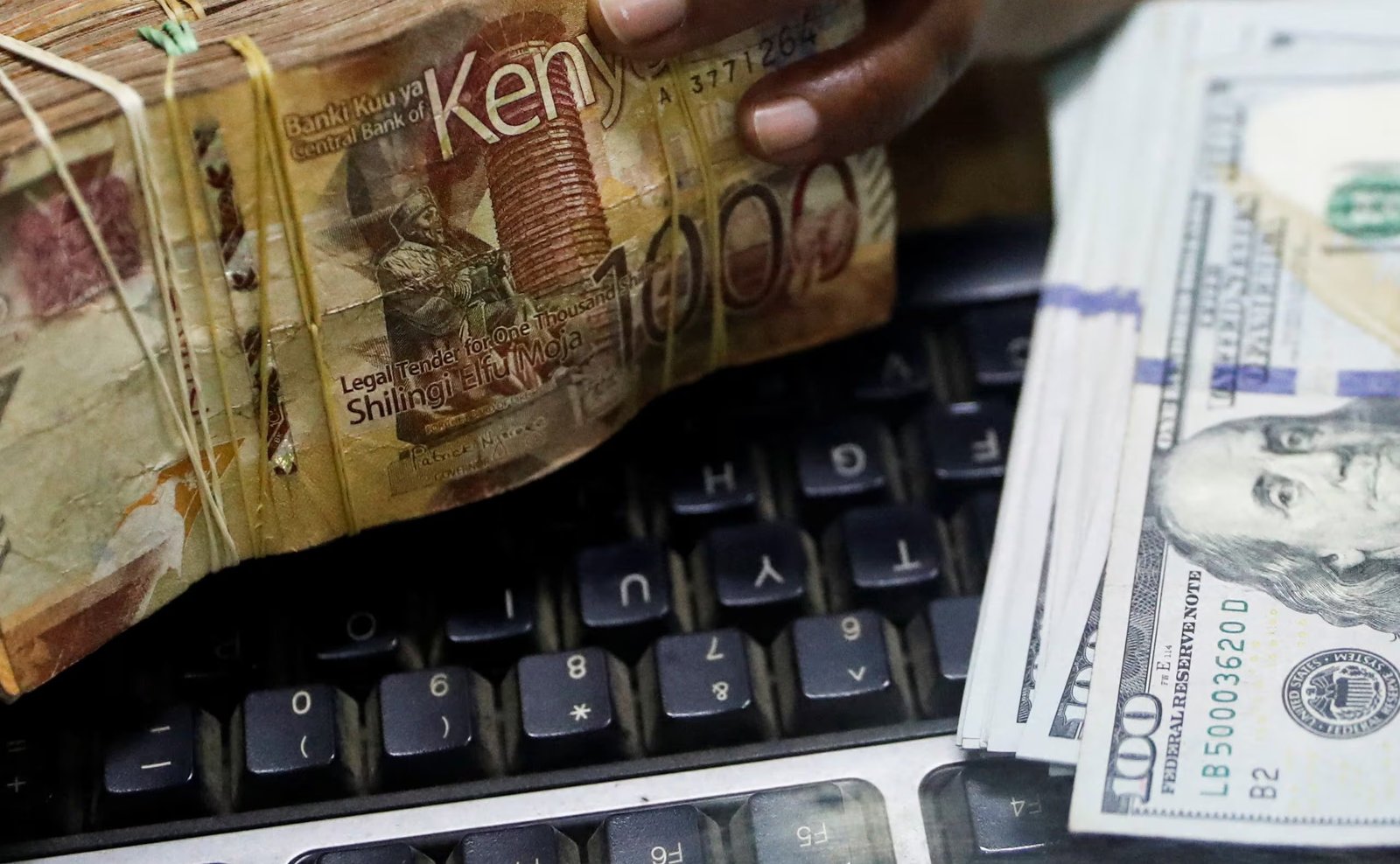
Stanbic Bank Kenya has frozen Sh9.1 billion in Safaricom dividends received by Vodacom Group, following a High Court ruling that cast doubt on the bank’s ability to recover a Sh40.2 billion loan it extended to the South African company.
Vodacom used the loan to pay the National Treasury an advance on future dividends from the government’s remaining 20 per cent stake in Safaricom, which it planned to recover from those dividends over time.
Under the deal, Vodacom was to receive Sh55.7 billion, comprising the Sh40.2 billion advance and a premium of Sh15.5 billion. The Sh9.1 billion now frozen is the first dividend Vodacom has collected on the Treasury’s stake.
The money was frozen after the High Court overturned the deal between Vodacom and the Treasury in a September 15, 2026 ruling, including Vodacom’s purchase of a 15 per cent stake in Safaricom from the government. All the parties have challenged the ruling at the Court of Appeal.
Vodacom said in a trading update that the judgment had triggered a default on its loan agreement with Stanbic.
“The adverse High Court judgment resulted in a default on the related Stanbic Bank Kenya Limited funding agreement… following which a standstill arrangement was entered into to remedy the default, wherein the group agreed not to withdraw from the dedicated bank account during the standstill period, rendering the balance of dividends received to be restricted in nature as at 30 September 2026,” the company said.
Vodacom is expected to remain unable to access the account until the High Court order is reversed or the parties agree on another solution.
Vodacom completed the deal with the government on June 30, 2026, allowing it to start recovering the advance from Safaricom dividends and accumulate funds to service its Stanbic loan.
Safaricom paid a final dividend of Sh1.15 per share on September 4 to shareholders on its register as of August 4. Having sold its rights to the dividends, the government gave up Sh9.2 billion, which went to Vodacom as the first instalment. Vodacom reported the amount as Sh9.1 billion, using the exchange rate at the end of September, which marked the first half of its financial year.
The Stanbic loan carried an effective interest rate of 11.15 per cent at the end of the period and is due to mature on June 30, 2029. Vodacom had expected to recover the advance within two to three years.
“So what we did is we took a percentage of sort of expected dividends over a three-year period, and then we discounted it at an IRR (internal rate of return) of 16.5 percent,” Vodacom executive Shaun Biljon said earlier. “However, we’re capped at 18 percent IRR. So we actually fully expect it to be paid down sort of in just over two years.”
The ruling also affected Vodacom’s purchase of the 15 per cent stake from the Treasury. Separately, Vodacom bought a five per cent stake in Safaricom from its parent company, Vodafone Group Plc.
The government, Vodafone Group Plc and Vodafone Kenya Limited, the company through which Vodacom holds its Safaricom shares, have all appealed against the judgment. The petitioners have also appealed parts of the ruling.
“The group expects an appeal date to be set before the end of December 2026,” Vodacom said.
The Court of Appeal has ordered that the status quo be maintained, meaning Vodacom retains its 55 per cent majority stake in Safaricom pending the determination of the appeal.
The sale had already been challenged in court before it was completed, but on June 26, the Attorney-General won an application at the Court of Appeal to lift a freeze on the deal, allowing it to close two business days later.
Vodacom said it was confident of winning the appeal and completing the transaction.
“Basically, we did everything by the book,” Vodacom Group Chief Executive Shameel Joosub said in a media briefing in South Africa.
