

By Francis Njuguna
Something is wrong with the way we raise our children. And the fault is not theirs. It is ours.
From the smallest village to the highest office, we have taught one lesson above all others. We have taught that being academically clever matters more than being good. We built an entire education system on that belief. Then we act surprised when our society struggles with the simple habits that hold a community together.

I have never seen a child locked up because he failed Mathematics. I have never seen anyone taken to court for scoring an E in English. But I have watched bright children grow into adults who end up in prison. Not because of bad grades. Because of bad habits.
Because nobody taught them discipline. Because they could not control their anger. Because they had no empathy. Because greed ate them alive. Because no one ever developed their character.
Now look at the evidence. The ALiVE assessment report, which surveyed 17,276 Kenyan adolescents between the ages of 13 and 17 in 2022, found that only 5 per cent were proficient at solving problems. Nine per cent of the adolescents showed real self-awareness, with only 6 per cent expressing a strong respect for others. And just one in ten could collaborate well.
Read those numbers again. These are our children. And the things they are missing are not academic at all. They are human.
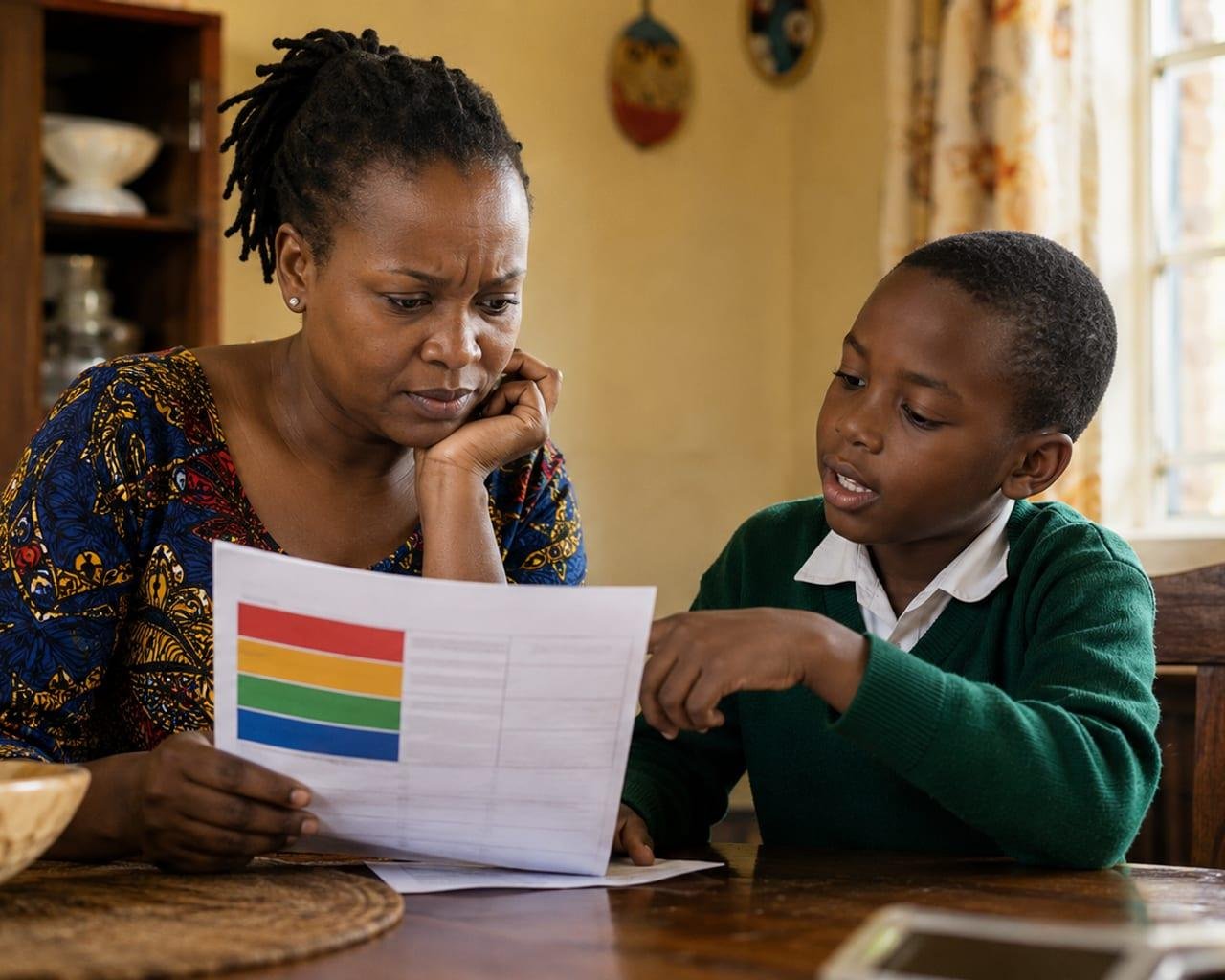
Yet when a child brings home low marks, the whole house turns tense. Parents panic, teachers threaten and neighbours gossip. But when that same child lies, bullies a classmate, cheats on a test or speaks rudely to an elder, we shrug. “He is just a child,” we say.
Our priorities are upside down.
We spend years teaching a child to balance equations. We spend zero hours teaching him or her to manage anger. Zero on how to handle rejection. Zero on how to say no to peer pressure. Zero on how to hold money without stealing. Zero on how to lead without stepping on others.
Theodore Roosevelt saw this clearly more than a century ago: “To educate a man in mind and not in morals is to educate a menace to society.” He was right then. He is right now.
Look at what we have produced. First-class graduates who cannot keep a promise. Brilliant professionals who cannot stay faithful. Intelligent leaders who empty the public purse without a flicker of shame. We have made clever criminals, not good citizens.
We taught them grammar but not gratitude. We taught them business studies but not self-control. We taught them how to pass an exam but never how to live well beside other people.
So, what is an A score in Religious Education worth if the holder has no integrity? What is intelligence worth when character is bankrupt?
A society that ranks intelligence above character will always get the same result. It will get people who can calculate, but who cannot care.
This is not beyond us. It can be fixed, and it must start in two places: the home and the school.
Schools must teach character on purpose, not by accident. Discipline. Honesty. Empathy. Contentment. Respect. Resilience. These are not soft extras we squeeze in when there is time. They are the ground everything else stands on. A teacher who shapes a child’s honesty is doing work as important as any lesson on a blackboard.
Parents must stop measuring a child by a report card alone. Ask about kindness. Ask about honesty. Praise good behaviour as loudly as you praise good grades. Sit with your child when he or she fails. Teach him or her how to rise, how to apologise, how to share. That moment matters more than any mark they will ever bring home.
None of thesecharacter traits costs money. They cost attention. They cost the willingness to look at our children and ask who they are becoming, not just what they scored.
Because in the end, grades do not build a nation. Character does.
Francis Njuguna works for Mizizi Elimu Afrika. For feedback, send an email to fnjuguna@mizizielimu.org.
