

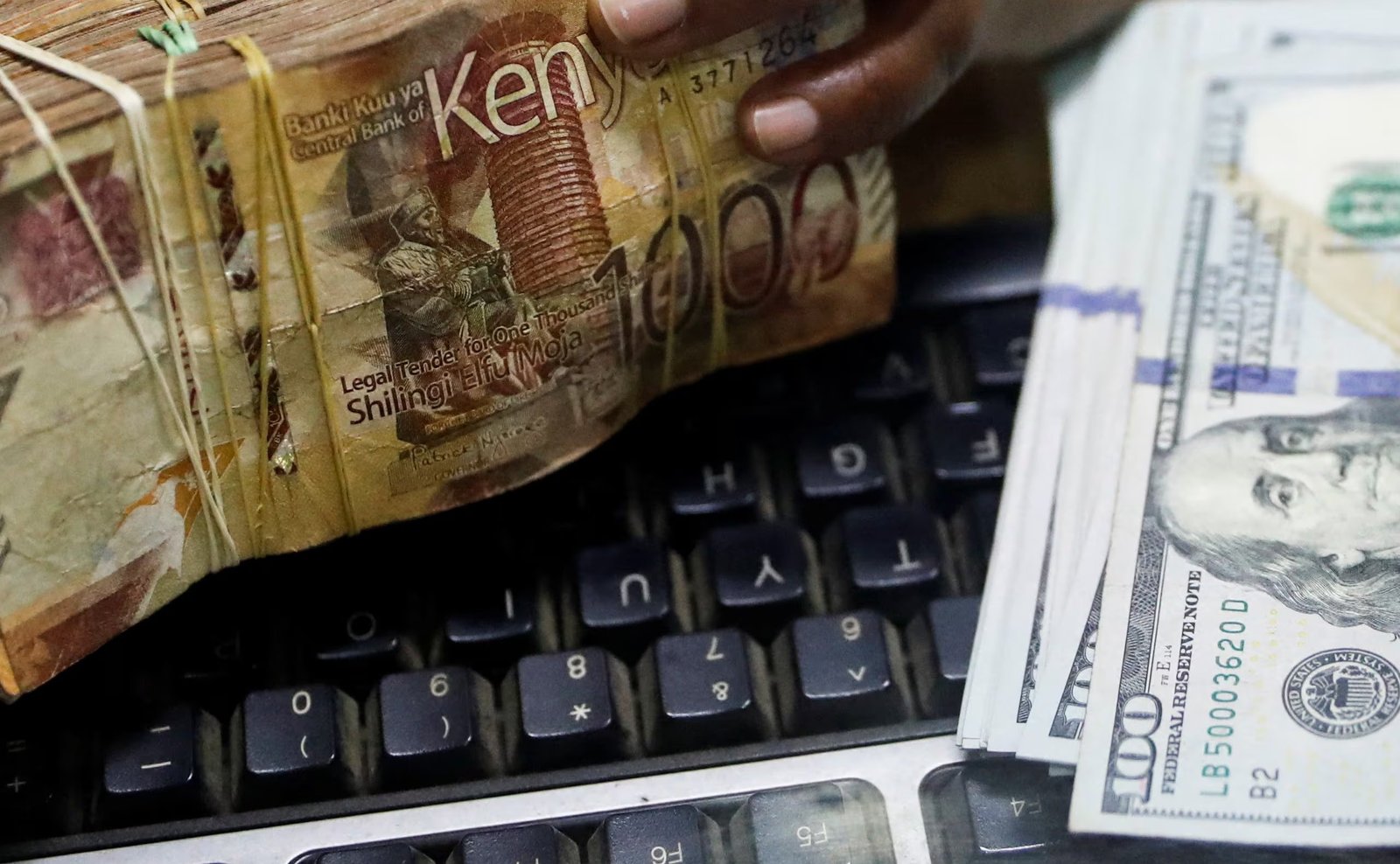
Fitch Ratings has held Kenya’s long-term foreign-currency issuer default rating steady at B- with a stable outlook. This reflects a balance of persistent fiscal and external vulnerabilities against recent strides in liquidity management.
The agency states that while external financing risks have moderated somewhat, the country continues to grapple with substantial fiscal deficits, a high debt burden, and enduring revenue constraints that cloud its medium-term economic trajectory.
One of the most pressing challenges remains the high external financing needs. Following the buyback of a number of eurobonds, the government’s external financing requirement is projected to reach Sh677.89 billion ($5.3 billion) in the 2026 fiscal year.
However, this need is expected to moderate slightly the following year, although it is forecast to rise again and remain above Sh639.51 billion ($5 billion) through 2030, maintaining pressure on the country’s ability to secure funding.
The fiscal deficit is projected at 5.8% of GDP for FY26, significantly above both the government’s initial target and the median for peers. This gap is partly due to higher costs, especially much larger interest payments and increased spending on social programs and security, which are likely to slow efforts to reduce the deficit.
Adding to these challenges is the struggle to collect enough revenue, with a long-standing trend of tax collection falling short of targets. For example, revenue collection fell short in the first half of FY26.
The main issue is that not enough people and businesses are in the tax system and tax collection processes are not as efficient as they could be, resulting in the government collecting a smaller share of national income than its own goals.
Because the budget has less money coming in, the government has to borrow more from local banks and investors. This heavier reliance on the domestic market could keep borrowing costs higher for longer and increase the debt burden.
Kenya’s debt profile is already a significant concern, with the interest-to-revenue ratio expected to stay exceptionally high despite easing from a peak of 33.8% in FY25.
Government actions to manage and reorganize debt, including the successful buyback of a Sh127.90 billion ($1 billion) eurobond last year and the conversion of some dollar-denominated loans into renminbi, have provided temporary relief and helped boost foreign exchange reserves to Sh1.59 trillion ($12.4 billion).
However, uncertainty remains over the timely disbursement of substantial official financing, such as funds from the World Bank, which could force greater reliance on commercial borrowing. The stable outlook balances these challenges against access to external financing, a diversified economy, and recent reserve build-up.
Henceforth, the agency’s committee applied a negative qualitative adjustment to the model output for public finances, reflecting risks to fiscal consolidation from a rigid spending structure and social pressures.
Nevertheless, the removal of the eurobonds from criteria observation indicates an expectation of average recovery prospects in a default scenario. The rating notes that while the economy is navigating rough waters for now, the course ahead requires careful economic steering.
