

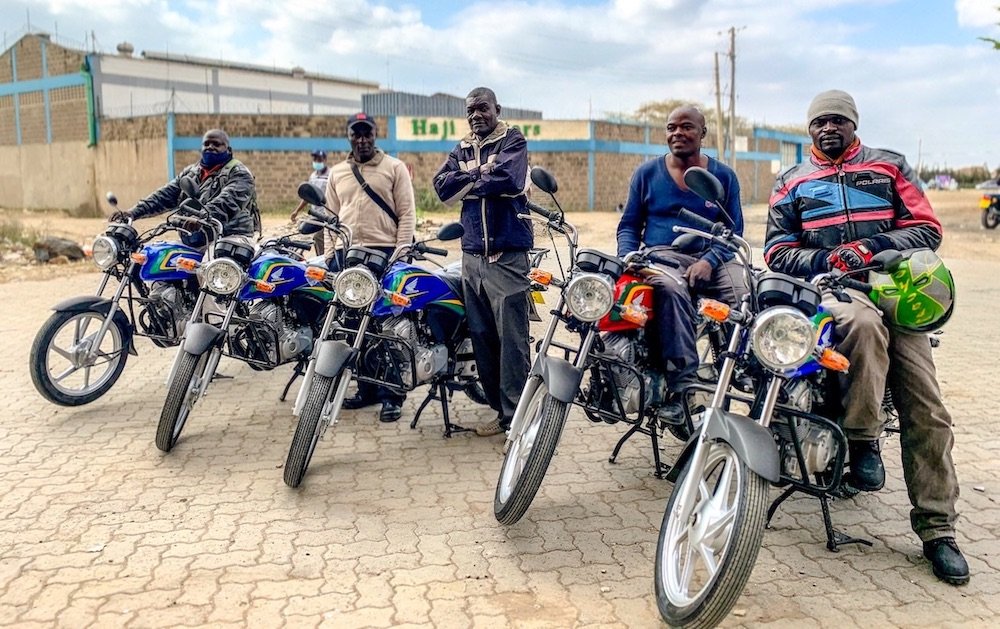
ZARIBEE Kenya, a mobility fintech, has officially become part of the WASSHA Group, a Japanese social enterprise, marking a new chapter in its mission to empower motorcycle taxi riders. The move combines ZARIBEE’s local market expertise with WASSHA’s pan-African operational platform, creating a stronger base for sustainable growth.
Since its establishment, ZARIBEE has supported boda boda riders through a rent-to-own model that addresses the high upfront cost of motorcycles. Through structured payment plans and on-the-ground engagement, the company has enabled riders to move from daily rentals to ownership, turning motorcycles into income-generating assets.
ZARIBEE CEO Renji Morita said the acquisition strengthens the company’s long-term commitment to riders. He noted that reinforcing the organisation’s foundation will allow it to grow responsibly while remaining focused on the practical needs of its customers.

To date, ZARIBEE has placed more than 5,000 motorcycles on Kenyan roads and helped over 2,000 riders achieve full ownership, with broader benefits for families and communities. Despite the central role of motorcycle taxis in local transport and commerce, many riders continue to face financial exclusion and limited access to affordable credit.
ZARIBEE’s approach emphasises responsible credit assessment, ongoing support and operational monitoring, positioning it as an alternative to short-term lending practices that often leave riders overburdened with debt. This model has helped build trust in a highly fragmented sector.
As part of the WASSHA Group, ZARIBEE is expected to scale its impact. WASSHA brings more than a decade of experience delivering essential infrastructure and services across multiple African markets, providing a platform for expansion.
The partnership will enable ZARIBEE to increase motorcycle financing and explore additional mobility and income-related services while maintaining its community-focused approach. The company plans to continue investing in its Kenyan operations as it assesses opportunities to expand into other underserved markets.
