

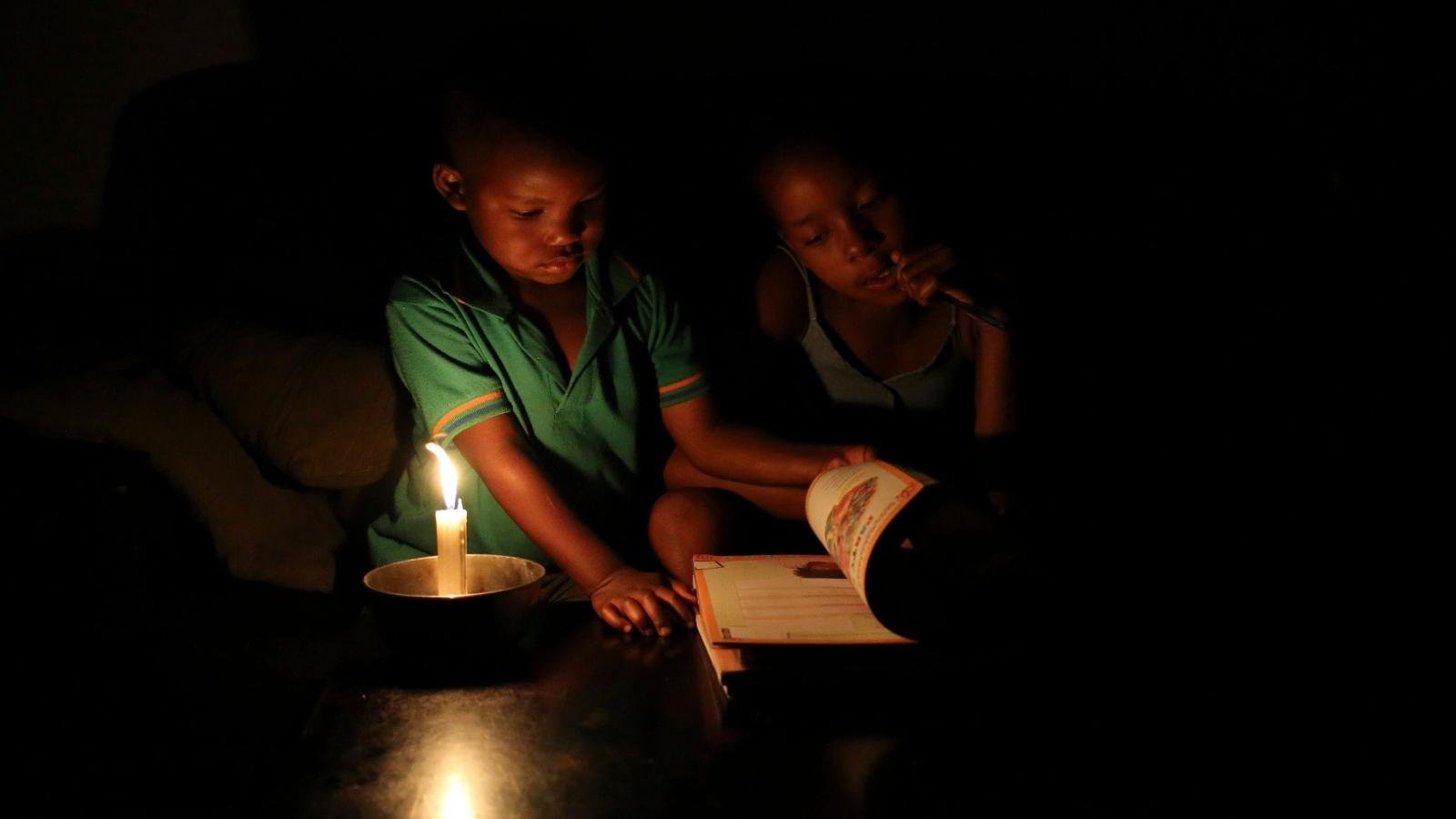
The African Development Bank (AfDB) has approved a major new initiative to connect millions of people in Africa who currently lack electricity.
The project, called the Africa Energy Technical Assistance Program (AESTAP) Mission 300 Phase II, will help several African countries turn their National Energy Compacts into actual electricity connections.
Over the next two years, Chad, Gabon, Tanzania, Mauritania, the Democratic Republic of Congo, Kenya, Nigeria, Madagascar, Ethiopia, Malawi, Lesotho, Namibia, and Uganda will receive technical assistance through the Sh507.53 billion ($3.9 billion) project.
Energy compacts are national plans where governments outline strategies to expand access, strengthen power sectors, and attract investment. With political support and backing from development partners in place, the challenge now is implementation.
Wale Shonibare, Director of Energy Financial Solutions, Policy and Regulation at AfDB, said: “These compacts are commitments by African countries. Through AESTAP Mission 300 Phase II, we are helping them implement those commitments so that households, entrepreneurs, and communities actually get electricity.”
The initiative will provide hands-on support to help power homes, schools, hospitals, and businesses. It will assist governments in refining electricity regulation, planning, and tariffs to unlock investment.
It will also strengthen national utilities, reduce technical and financial losses, and promote knowledge sharing across Africa through tools like the electricity regulatory index and regional forums. Expert advisers will be embedded in government units to coordinate reforms and track progress.
Phase II builds on Phase I, which in December 2025 provided Sh130.14 million ($1 million) to establish and operationalize monitoring units, train staff, and set up accountability systems. Phase II now adds the technical expertise needed to implement the plans these units oversee.
The project aligns AfDB’s work with the World Bank, national governments, and other partners to tackle the “final mile” of electrification, which requires finance, technical guidance, and ongoing institutional support.
