

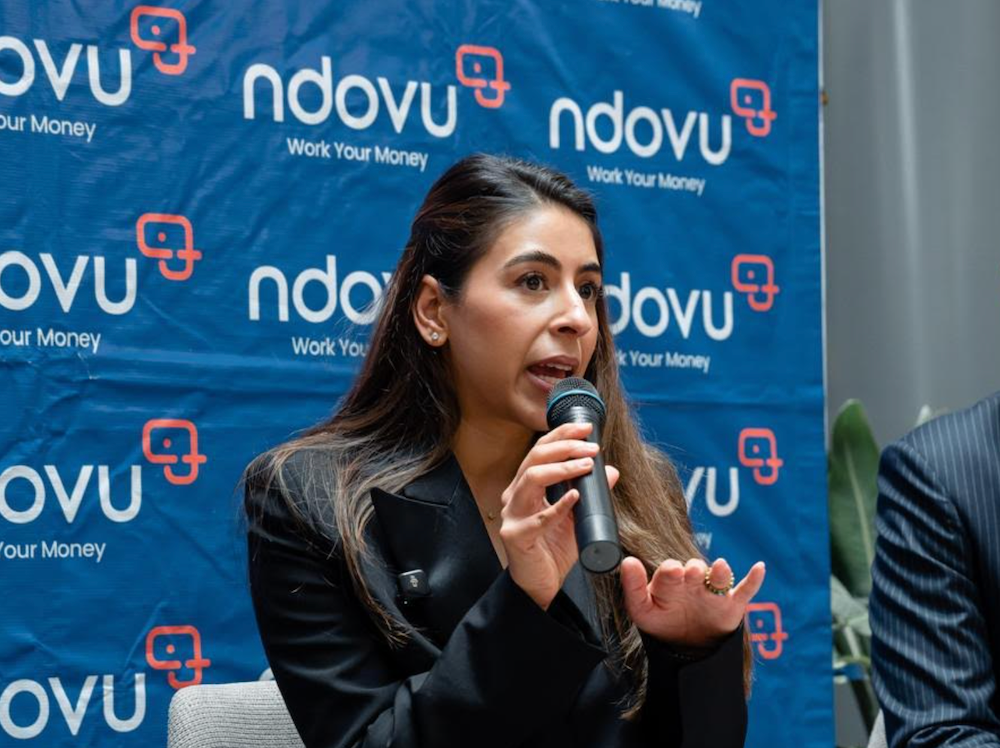
In a market shaped by volatility and shifting investor behaviour, fund manager Ndovu has provided a new collective investment vehicle aimed at long-term wealth creation through diversification.
The Kibaba Fund is designed to give investors structured exposure across multiple asset classes, allowing them to build wealth steadily over time. Entry begins at Sh250,000 for the Kenya Shilling Fund, with additional top-ups from Sh100,000.
The product places Ndovu among a growing pool of Capital Markets Authority-approved special funds, including Mansa-X Special Fund, OAK Special Fund and Britam Special Fixed Income Fund—vehicles increasingly favoured for their ability to blend equities, fixed income and alternative assets.
Chief executive and co-founder Radhika Bhachu says the fund is built around disciplined asset allocation rather than speculative investing, targeting up to 200,000 investors seeking long-term financial growth.
“We have been doing this for four years now and customers are really excited,” Bhachu said. “We are delivering returns of about 20 percent on the dollar… We are not doing anything crazy but simply selecting asset classes, sectors that we believe in, asset classes that we think will do well. And, I believe in every product that we offer.”
“We have been doing this for four years now and customers are really excited,” Bhachu said.
“We are delivering returns of about 20 percent on the dollar… We are not doing anything crazy but simply selecting asset classes, sectors that we believe in, asset classes that we think will do well. And, I believe in every product that we offer. If I can’t invest in it, then we can’t give it to customers.”
The launch also taps into deeper conversation about Kenya’s enduring preference for land as a primary investment. While widely viewed as a safe store of value, property investments are increasingly being scrutinised for their limitations—low liquidity, high holding costs, and uneven returns.
Bhachu argues that the traditional “buy land” mindset may, in some cases, work against investors.
“Land is illiquid. That’s not wealth creation, that’s wealth erosion,” she said, pointing to costs such as taxes, legal fees, and the risk of stagnating prices in fully developed or low-demand areas.
Unlike financial assets, land rarely generates consistent income and is vulnerable to external shocks such as zoning changes or weak infrastructure.
The Kibaba Fund arrives at a time when markets—both locally and globally—have faced prolonged uncertainty, underscoring the risks of concentrated bets.
Victor Marangu, founder and CEO of WealthPro Africa warned about the assumption that everyone will magically become wealthy through traditional investment vehicles.
Investments in a diversified portfolio covering equities, fixed income, REITs, ETFs, and commodities can growth wealth. Investors also need to regularly adjust their portfolio mix while ensuring that their cash is always where it performs best.
“One thing to remember, markets haven’t been doing very well over the last five years, and the truth is markets go through recessions, and so the important thing is to choose a partner that understands that recession happens so they can position your portfolio in a way that when the recession happens you are prepared,” says Marangu.
