

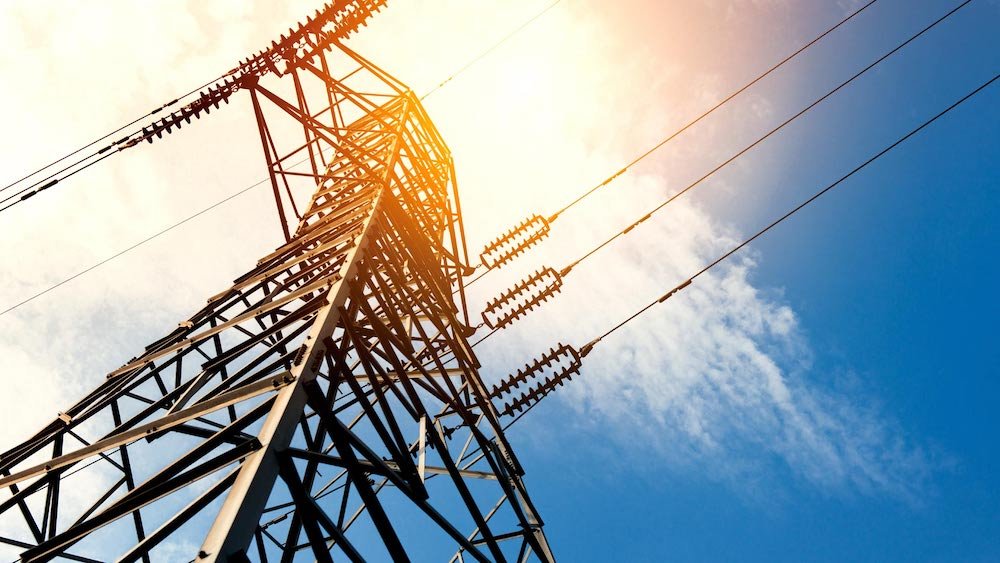
Kenya and Ethiopia have finalised a renewed power supply agreement meant to deepen East Africa’s integration and sustain the flow of clean hydro-electric power into the Kenyan grid.
Signed in Addis Ababa, Ethiopia, on Friday, July 10, 2026, by the Kenya Power Managing Director and Chief Executive Officer Joseph Siror and Ethiopian Electricity Utility (EEU) CEO Getu Geremew, the new agreement will secure stable electricity imports and support the expansion of local power connectivity.
According to the deal, Kenya will pay about Sh20 (0.15 U.S. dollars, or ETB24.07) per kilowatt-hour for electricity imported from Ethiopia, with an addition of a monthly demand charge of ETB1,010.89, which equates to about Sh800.
The new agreement primarily aims at strengthening electricity trade, expanding reliable power supply, and promoting East Africa’s energy connectivity, it was noted.
EEU CEO highlighted that the collaboration between the two countries will act as a pathway to sustainable development and a catalyst for a fully integrated regional electric power market in Eastern Africa.
He further noted that the initiative materialises the long-standing vision of a “connected East Africa” while demonstrating that energy is not only a source of wealth but also a “bridge to sustainable development.”
- Kenya Power to shut all payment counters as it shifts fully digital
- Fuel, forex costs drive Sh5.18 per kWh electricity increase in July bills
EEU now comes second after KenGen in terms of electricity supply into Kenya’s grid, accounting for more than 10 per cent of Kenya’s total grid supply.
Kenya’s growing reliance on Ethiopia has been highly driven by the government decision to impose a freeze on new private power projects since 2018, aimed at controlling costs. The policy has halted local supply growth while demand continues to rise in Kenya.
KPLC Managing Director Siror emphasised that the strategic impact extends far beyond cross-border transmission infrastructure.
He stated that the deal acts as a foundation for long-term peace, economic, and social ties between the two states.
The renewed agreement also extends a separate smaller agreement that has supplied electricity to Moyale and its surroundings since 2011. Under the agreements, EEU continues to provide 3 megawatts of power to about 10,500 consumers in the region, distinct from the national-grid supply covered by the main tariff.
It is also expected to provide renewed momentum to ongoing efforts to establish a regional power pool that would facilitate an integrated electricity supply system across East Africa.
– By Daisy Achieng
