

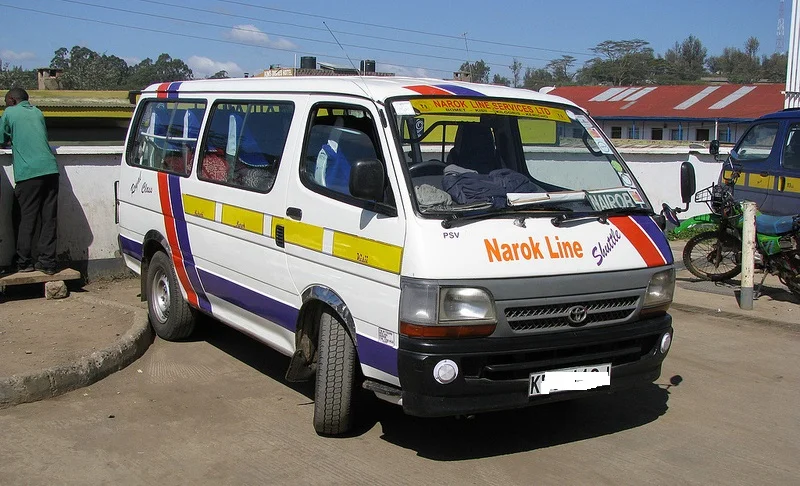
Directline Assurance has regained its position as Kenya’s leading insurer of public service vehicles (PSVs), overtaking Africa Merchant Assurance Company (Amaco) after a sharp shift in market shares during the first quarter of 2026.
Data from the Insurance Regulatory Authority (IRA) shows Directline controlled 62.11 per cent of the PSV insurance market in the quarter ended March 2026, having collected Sh610.16 million out of the Sh982.41 million in gross premium income generated from the commercial PSV class.
The insurer’s market share rose from 35.67 per cent during the same period in 2025, marking a significant recovery in a segment where it had previously lost ground to competitors.
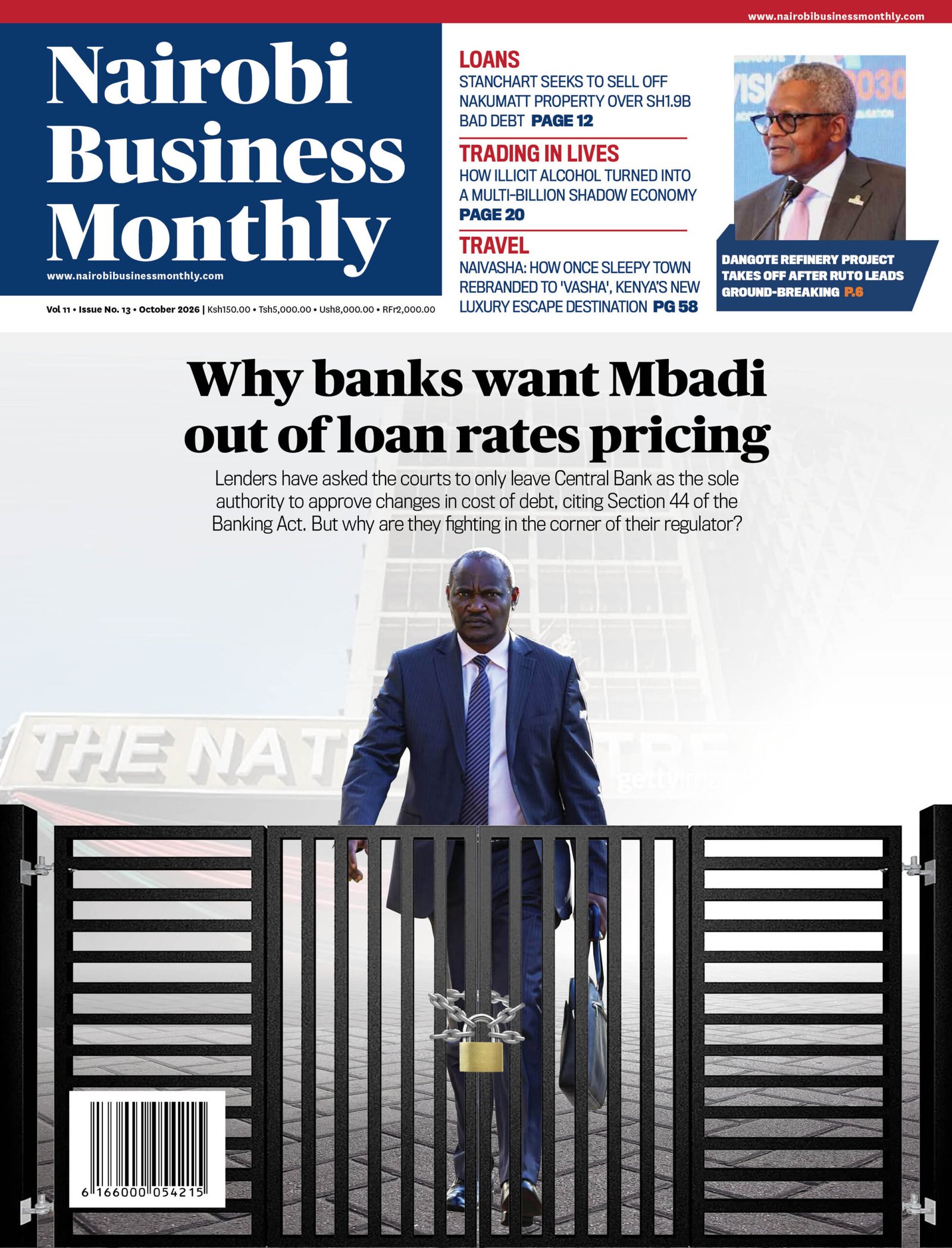
Amaco, which had emerged as the dominant player in PSV insurance, saw its market share decline sharply to 21 per cent from 54.71 per cent recorded in the first quarter of 2025. The company’s share had stood at 44.61 per cent in December 2025.
The latest figures place Directline ahead of other major PSV insurers, with GA Insurance holding 5.84 per cent of the market, First Insurance 3.83 per cent and Intra Africa 2.57 per cent.
The turnaround comes after Directline faced prolonged ownership disputes involving businessman SK Macharia and other investors. The wrangles had affected confidence in the insurer after Mr Macharia made changes at the company and warned members of the public against taking cover with the firm in 2024.
However, a High Court ruling in May confirmed that Mr Macharia holds a minority stake of 9.66 per cent through Royal Credit, while other investors collectively control 90.34 per cent of the company. The decision limited his ability to independently make changes at the insurer.
Directline’s recovery contrasts with Amaco’s recent decline in a lucrative but high-risk PSV insurance market. Amaco, which is partly owned by President William Ruto’s family, had overtaken Directline in early 2025 after aggressive expansion in the matatu insurance sector.
The changing market positions highlight the competitiveness of PSV insurance, where companies rely heavily on pricing strategies, claims management and distribution networks to maintain their customer base.
Motor insurance remains a major contributor to Kenya’s general insurance industry, alongside medical insurance. According to IRA data, the two classes accounted for 66.2 per cent of gross premium income in the general business category.
Despite strong demand, motor insurance continues to put pressure on insurers due to high claims. Combined motor classes, including PSV, private and other commercial vehicles, accounted for 40.5 per cent of total claims incurred in general insurance, while contributing 23.2 per cent of total premiums during the quarter.
The sector recorded high underwriting ratios, with private motor insurance posting 118.5 per cent and commercial motor insurance 110.5 per cent, meaning insurers paid more in claims, expenses and commissions than they earned from premiums.
Overall, Kenya’s insurance industry recorded growth during the period, with gross written premiums increasing by 19.9 per cent to Sh155.33 billion, while total industry assets rose by 22.2 per cent to Sh1.61 trillion.
The PSV insurance segment remains attractive because of the large number of matatus and the mandatory requirement for vehicle insurance covers. However, it remains challenging due to frequent accidents and rising claims.
The sector has previously suffered major setbacks, including the collapse of insurers such as Xplico and Invesco in recent years, alongside other firms that had significant exposure to matatu insurance, including Blue Shield, Standard Assurance, Kenya National Assurance, United, Lakestar, Access and Stallion Assurance.
