


James Ayugi, the Kenyan businessman associated with Webmasters Kenya, has been barred from participating in World Bank-financed projects for a period of five years after the bank found him liable for fraudulent and obstructive practices.
The lender’s sanctions board imposed a debarment on Ayugi and Webmasters Kenya Ltd. under Sanctions Case No. 790. According to the World Bank sanctions record posted on it’s website, the sanction runs from June 8, 2026 to June 7, 2031.
“The Sanctions Board concludes that it is more likely than not that the Respondent Individual engaged in conduct to materially impede the exercise of the Bank’s inspection and audit rights by failing to meaningfully comply with INT’s documentary requests in the context of an audit,” read the bank’s decision in part.
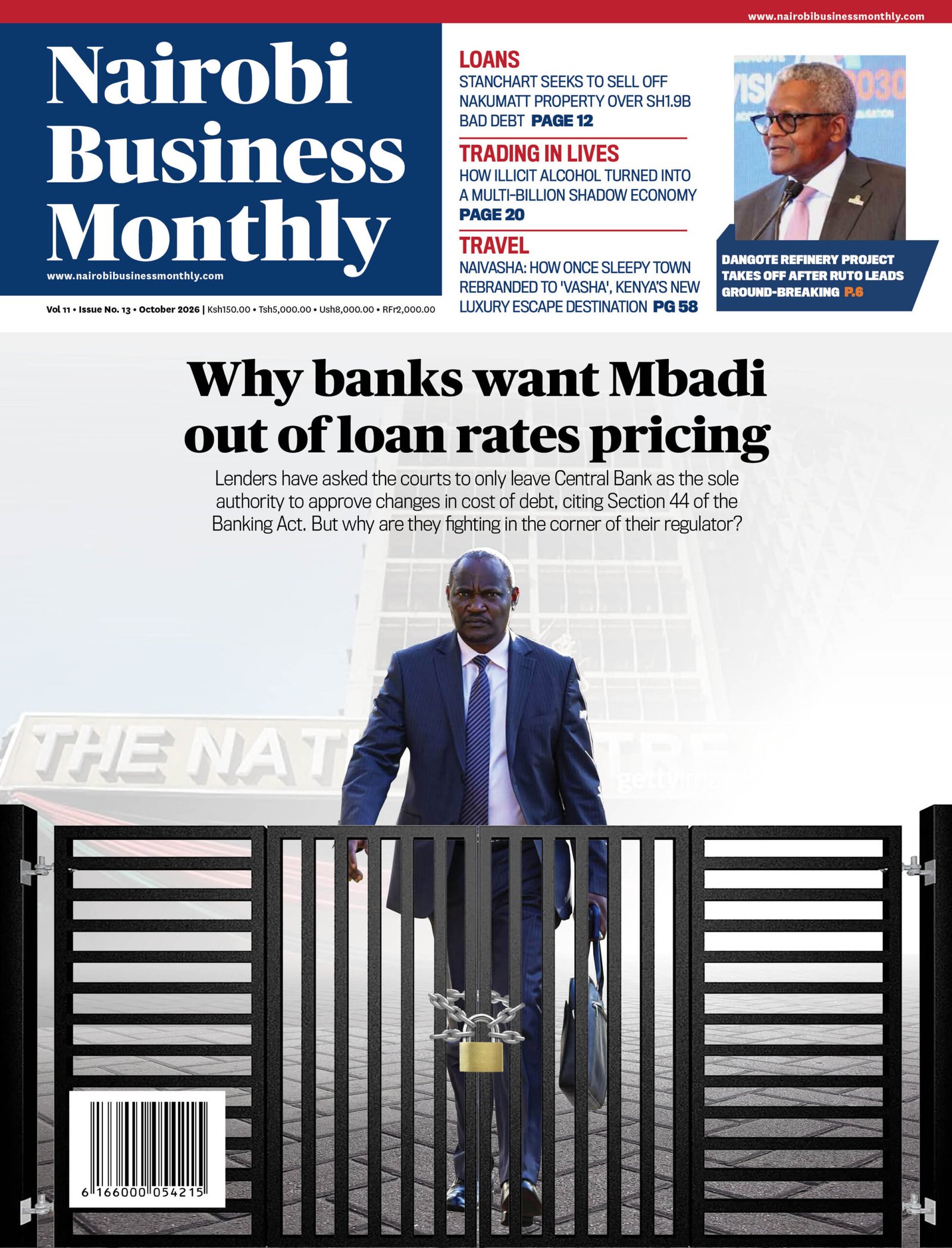
This case follows a World Bank Group-financed project in which Ayugi allegedly misrepresented the availability of two key experts for the contract. Further, the sanctions board said that Ayugi and the company materially impeded the Bank’s inspection and audit rights by failing to meaningfully comply with requests for documents during an audit.
Webmasters Kenya has been closely associated with the development of Kenya’s eCitizen platform after the Kenyan firm was contracted to develop the digital government-services platform in the early years of its rollout, with the project having received World Bank-related support.
Debarment means that Ayugi and Webmasters Kenya are temporarily excluded from doing business on World Bank-financed projects under the Bank’s procurement and contracting framework. It is not, by itself, a criminal conviction or a general ban from doing business in Kenya.
The lender has also described the move as a “debarment with conditional release,” which means that after serving the minimum five-year period, Webmasters Kenya and the owner could potentially be released from the list if they show they have complied with conditions set out by the Sanctions Board.
The latest World Bank action, however, relates specifically to the conduct identified in Sanctions Case No. 790 and should not automatically be interpreted as a finding that Ayugi committed wrongdoing in every project or business in which he has been involved.
