

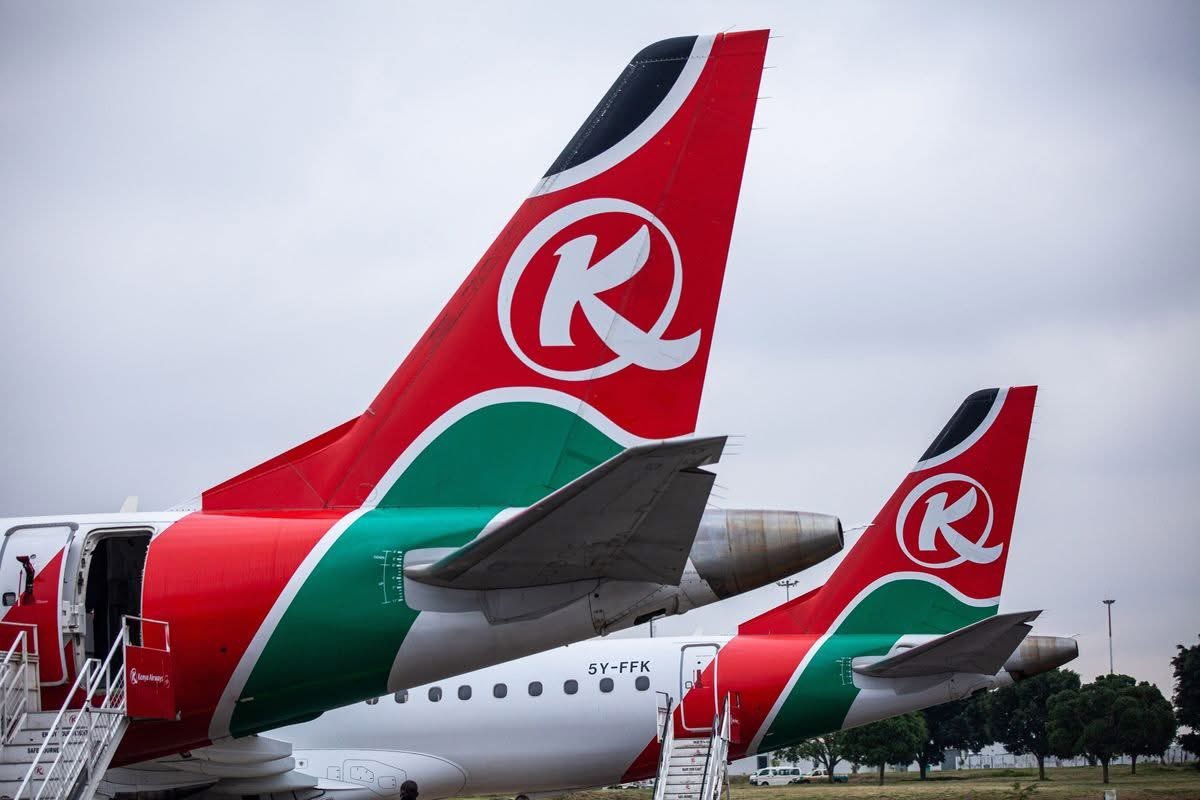
Kenya Airways (KQ)’ long-running search for a strategic investor has entered a decisive phase, with the government setting December as the deadline to secure fresh capital for the loss-making national carrier and begin reducing its reliance on taxpayers.
“Kenya Airways and the government as the majority shareholder, are actively seeking to raise capital through a strategic investor to help stabilise, grow its operations and as a turnaround Strategy for the Airline,” Treasury said in a response to Parliament’s Public Accounts Committee.
“This process is currently ongoing and is targeted to be finalised by December 2026. Once a consensus is reached, the necessary approvals will be sought and an update will be submitted,” it added.
The deadline brings the investor hunt into sharper focus as KQ seeks at least Sh195 billion through an international tender. The airline had previously indicated that the exercise could be completed in the first quarter of 2027, suggesting Treasury is now working to accelerate the process.
KQ’s balance sheet has deteriorated despite years of government support. Its negative equity widened to Sh132 billion last year, from Sh118.2 billion, with liabilities of Sh315.2 billion against assets of Sh183.2 billion. In effect, the airline’s debts exceed the value of what it owns by Sh132 billion.
The government, which owns 48.9 percent of KQ, has remained central to efforts to keep the airline afloat. Treasury has indicated it will meet pressing financial needs during 2026 as the investor search continues.
But continued support has increasingly become a fiscal and political liability. Parliament and the International Monetary Fund have criticised further government funding, with the IMF pushing for a strategic investor to stabilise KQ and eventually allow the State to exit.
Treasury had earlier proposed a broader transaction valued at Sh259.3 billion ($2 billion), potentially bundling other assets with KQ to make the investment more attractive.
The government has told the IMF that direct cash injections will end once a new investor is secured. The success of the current process therefore carries consequences beyond KQ, as it could determine whether the State finally breaks a costly cycle of supporting an airline whose shareholders would recover nothing were it liquidated.
