

Kenya has secured a credit of Sh65.44 billion ($509 million) from the African Development Bank (AfDB) to fund critical infrastructure projects, aligning with the Country Strategy Paper for 2024-2028.
This financing will bolster economic transformation by investing in different industries to address infrastructure gaps that continue to constrain productivity.
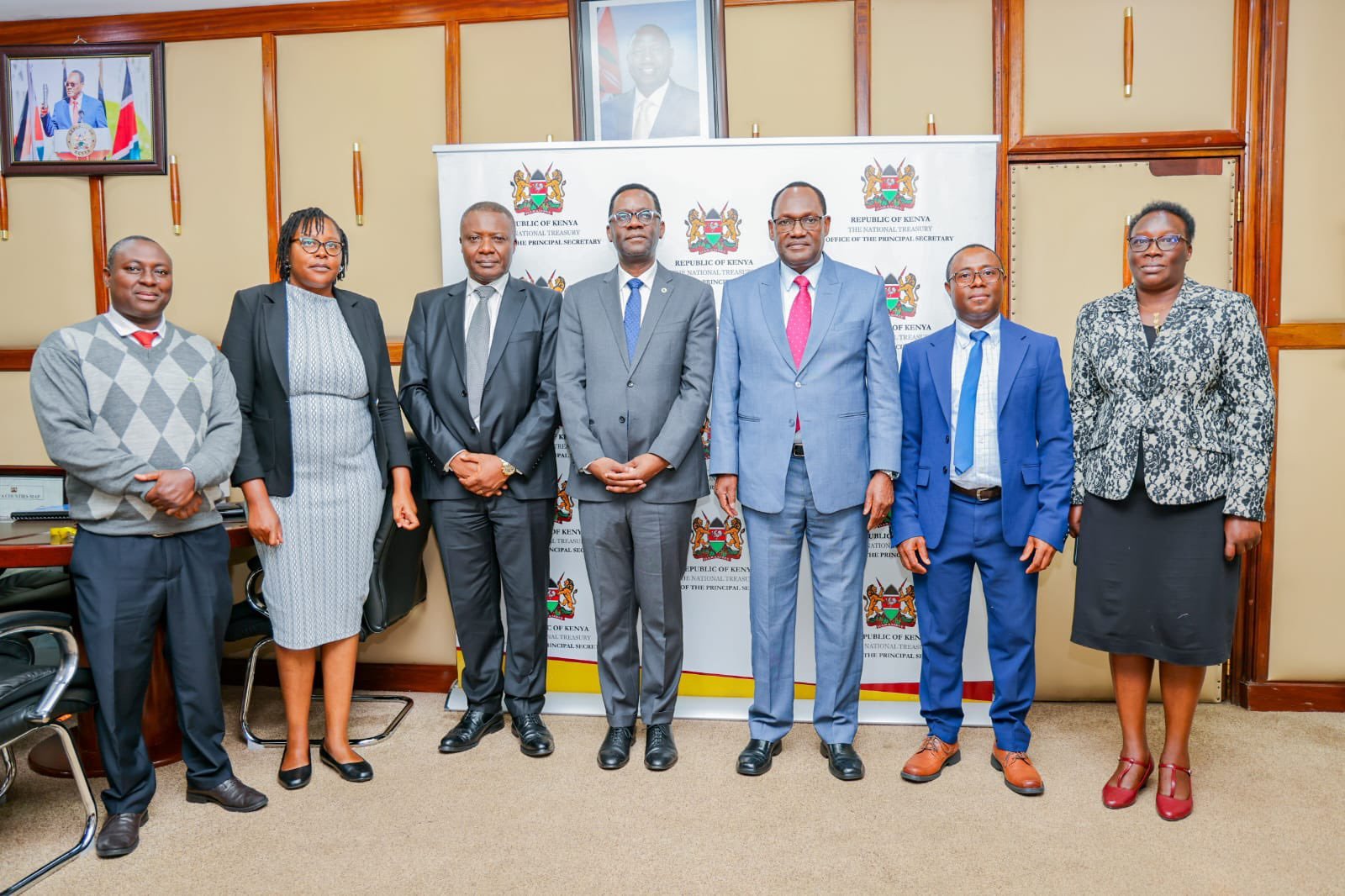
This move follows a joint technical mission between Chris Kiptoo, the Principal Secretary, National Treasury, and Alex M. Mubiru, Director General for the Regional Development and Business Delivery Office for East Africa at the AfDB, to review progress of the strategy paper.

The technical mission was an opportunity to evaluate how well projects are performing, identify any challenges or delays, and make sure that both current and future initiatives deliver real results for ordinary people.
According to Chris Kiptoo, the Principal Secretary, National Treasury, the discussions with the African Development Bank delegation centred on accelerating the delivery of major projects across critical sectors that are fundamental to the economy.
He emphasised that both sides recognized the urgent need to move from planning to tangible implementation, ensuring that communities begin to feel the impact of investments without unnecessary delays.
Their talks covered a wide range of key projects that will benefit from the fresh funding. Among the most important areas identified were major investments in the health sector, where better facilities and equipment could greatly improve medical services for patients.
Upgrades to water and road networks also featured prominently, recognizing that reliable infrastructure is essential for daily life and economic activity in both cities and rural areas.
Transmission networks were also a priority, reflecting the need to strengthen electricity supply to support homes, businesses, and industrial growth. The talks also highlighted the importance of speeding up project delivery through regular and thorough portfolio reviews, a process designed to ensure funds are used efficiently and that benefits reach communities as quickly as possible.
This review process offers a valuable opportunity to direct AfDB financing toward parts of major infrastructure projects that have so far received less attention. These include the Lamu Port-South Sudan-Ethiopia-Transport corridor, further development of Lamu Port, the completion of the Isiolo-Moyale Road, and the creation of resort cities, which could all gain fresh momentum with targeted support.
There is also real potential to push forward with trade-friendly measures such as One-Stop Border Posts, logistics hubs, and digital trade systems. These additions would help position the country at the heart of shifting trade patterns across the region and the continent as a whole.
