

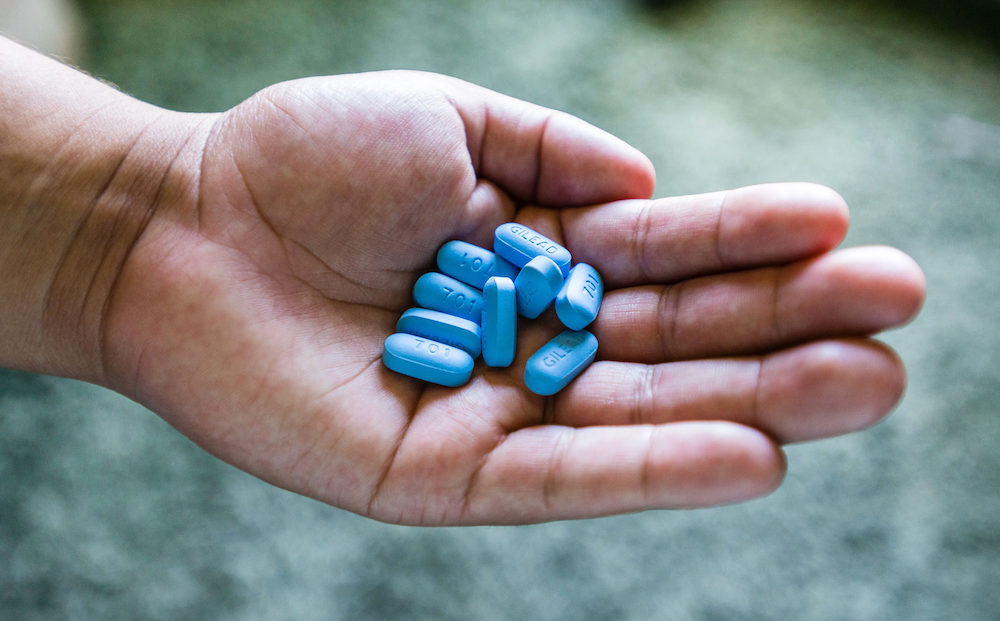
Kenya is among three African countries that will manufacture a new monthly HIV-prevention pill under an early licensing arrangement by pharmaceutical giant Merck, potentially positioning the country to supply the medicine to markets across the continent if clinical trials and regulatory approvals are successful.
The Kenyan manufacturer, Universal Corporation Limited (UCL), is one of seven generic drugmakers selected by Merck to produce alimatravir, an investigational once-monthly oral pre-exposure prophylaxis (PrEP) medicine.
The other two African manufacturers are in Uganda and South Africa, while four companies in India are also part of the licensing arrangement.

The move is significant because African manufacturers have been brought into the licensing process while the medicine is still undergoing Phase 3 trials, rather than being considered only after a new HIV drug has been approved and launched elsewhere. Merck said its strategy is intended to shorten the time between potential approval and availability in low- and middle-income countries.
Alimatravir is currently being tested in two Phase 3 studies. One of them, EXPrESSIVE-10, is being conducted among adolescent girls and young women in Kenya, Uganda and South Africa, with the study evaluating the medicine’s safety and effectiveness in preventing HIV infection. The licensing agreements are royalty-free and cover 129 low- and middle-income countries.
Merck is also preparing an initial supply of the medicine to help bridge the period between any regulatory approval and the point at which licensed manufacturers are ready to supply their own generic versions.
The company has said the arrangement is intended to allow production and access plans to move forward while the clinical development programme is still under way. Alimatravir remains subject to successful clinical trials and regulatory approval before it can be marketed as an HIV prevention medicine.
President William Ruto, in a speech read by Health Cabinet Secretary Aden Duale at a UN General Assembly high-level side event, said: “Africa carries about a quarter of the world’s disease burden. We make less than 6 per cent of our medical supplies. We make about 1 per cent of the vaccines we use. We saw what that means during COVID-19. Africa waited longer. Paid more. Received less. Our people paid the price for a supply chain we did not own. We will not go through that again.”
“Think about what that means. Africa helping to test the innovation. Africa is preparing to make it. Africa is ready to deliver it. Not standing at the end of the line waiting to buy it. For decades, our continent has carried the heaviest share of the HIV burden. Now we have a chance to help produce one of the newest tools to prevent it. That is justice,” President Ruto said at the forum, dubbed “Roadmap to Self-Reliance: What’s Needed for Sustainable Pharmaceutical Manufacturing in Africa.”
The event brought together governments, manufacturers and global health organisations to discuss ways of expanding pharmaceutical production on the continent.
Kenya has been seeking greater investment in local pharmaceutical manufacturing and technology transfer as part of efforts to strengthen domestic health-sector capacity.
The Bill and Melinda Gates Foundation has committed $100 million to the late-stage development of alimatravir and is expected to provide a further $80 million to support work towards testing and potential market introduction. Dr Nina Russell, who oversees HIV drug development investment at the foundation, said the scientific profile of the medicine had given the team an unusually high level of confidence.
Unitaid is supporting the three African manufacturers — UCL in Kenya, Quality Chemical Industries Limited in Uganda and Aspen Pharmacare in South Africa — with technical assistance and funding to strengthen their capacity to produce alimatravir if it is approved. The support is aimed at ensuring manufacturing capability and supply systems are developed alongside the medicine’s clinical programme.
The US International Development Finance Corporation has also been identified among the partners supporting the wider effort to mobilise private investment in emerging markets.
Merck senior vice-president Gregg Szabo said data from studies indicate that alimatravir begins providing protection against HIV about one hour after it is taken, while offering roughly a week’s grace period when a monthly dose is missed.
He said the medicine could potentially be supplied to national health systems for as little as $5 (about Sh650) per person annually, although the pill remains investigational and has not yet received regulatory approval.
Dr Priya Agrawal, representing Merck at the UNGA side event, described alimatravir as a product shaped directly by the HIV community’s own demands. “This is not just about alimatravir. This is about strengthening African research and manufacturing, supporting skilled jobs and local private businesses, expanding regional trade and the journey from innovation to impact,” she said.
Dr Nicholas Muraguri, senior advisor on global health diplomacy for the Government of Kenya, said: “This partnership is not just about distributing a drug; it is about rewriting the mechanics of global health equity. By combining an ultra-low-cost, once-monthly pill with localised African manufacturing, we are equipping communities to protect themselves, secure their own supply chains and systematically halt new HIV infections.”
If the Phase 3 trials establish that alimatravir is safe and effective and regulators subsequently approve it, the licensing arrangement would allow the selected manufacturers to produce generic versions for the territories covered by the agreements.
The early preparation is intended to reduce the delay between regulatory approval and the availability of affordable supplies in countries with a high unmet need for HIV prevention.
