

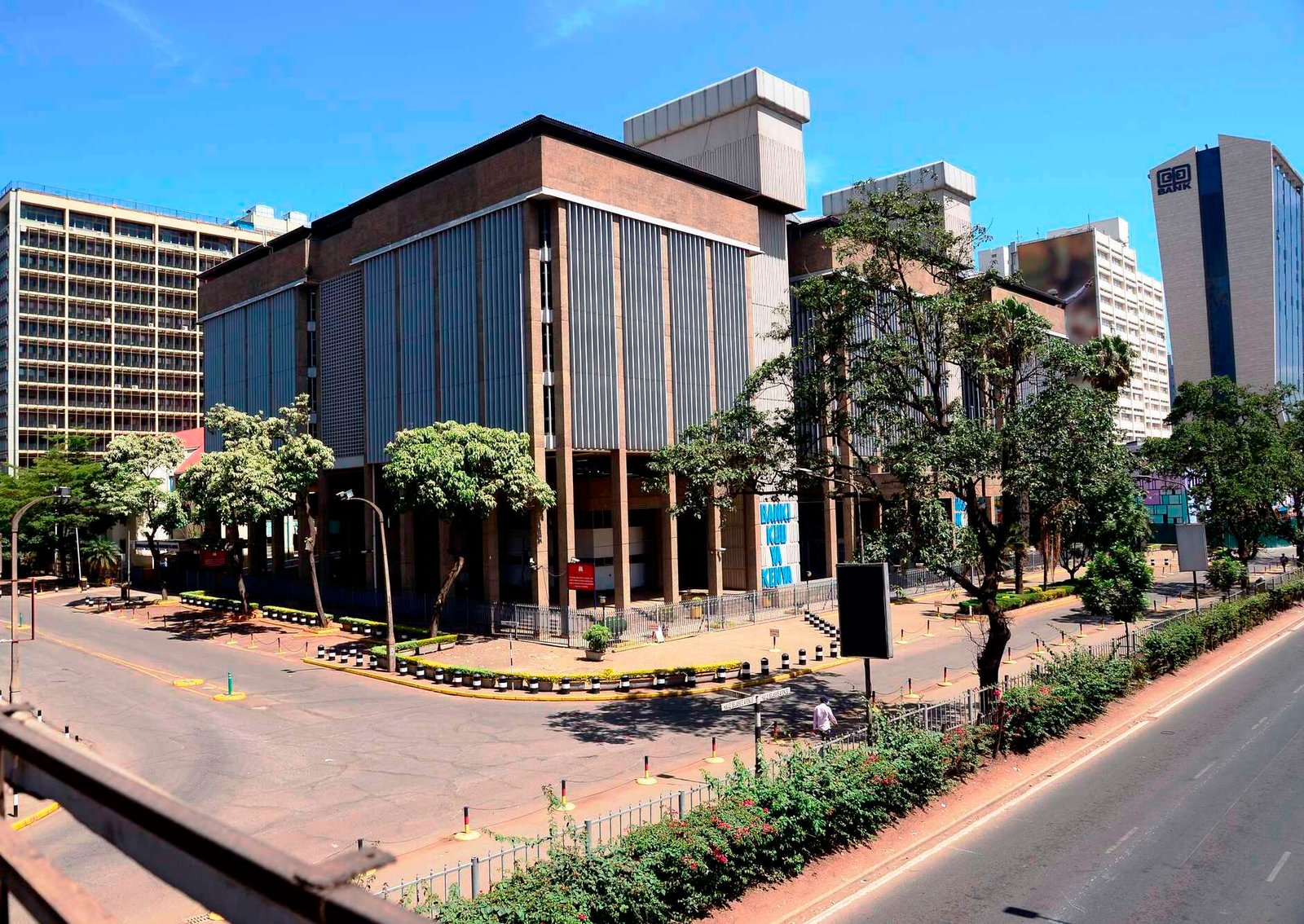
The Central Bank of Kenya (CBK) is seeking greater flexibility in supporting financially distressed banks through proposed legal changes that would allow it to extend emergency loans for longer periods and remove existing lending limits.
The proposed amendments, contained in the CBK (Amendment) Bill, 2026, would strengthen the regulator’s ability to provide liquidity support to commercial and microfinance banks facing temporary financial pressure, provided their difficulties are not linked to mismanagement.
Under the proposed law, the CBK would be allowed to extend emergency loans beyond the current six-month period, with facilities lasting up to 12 months and no longer at the regulator’s discretion.
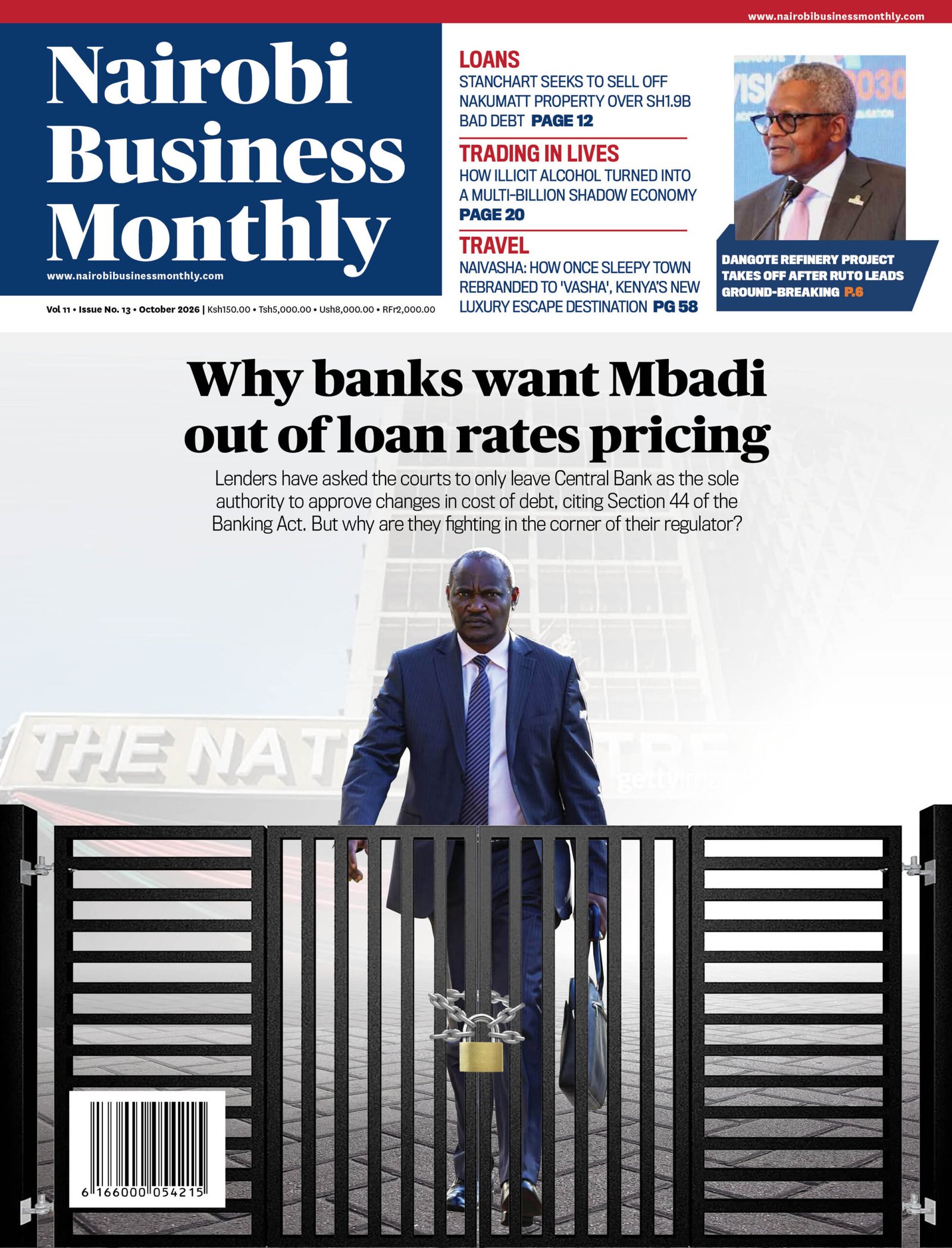
“The emergency liquidity assistance granted, shall be discretionary in nature, temporary, and subject to such terms and conditions as may be determined by the bank (CBK) … any loan or advance granted shall be for a period up to 12 months,” read part of the draft CBK (Amendment) Bill, 2026, tabled in the National Assembly.
“The bank may extend the period specified… such period or periods and under such terms and conditions as the bank may specify.”
The changes are aimed at reinforcing financial sector stability and enhancing the CBK’S role as lender of last resort during periods of liquidity stress.
The regulator currently supports banks through three key mechanisms: the discount window for short-term borrowing, the Liquidity Support Framework (LSF) for medium-term funding, and open market operations that inject or absorb liquidity in the banking system.
“The penal rate restricts banks to seek funding in the market, only resorting to Central Bank funds as a last solution,” CBK states.
The LSF was introduced in 2016 following the collapse of Chase Bank, at a time when regulators sought to prevent wider instability in the banking sector after the failure of several lenders.
Recent CBK data shows emergency support to banks has declined significantly, reflecting improved liquidity across the industry.
Securities and advances to banks fell to Sh56.5 billion in the year ending June 2025, down from Sh239.8 billion the previous year.
The decline coincided with stronger liquidity levels in the banking sector, improved interbank lending and reforms to the CBK’s monetary policy framework, including the introduction of a modern digital securities platform that has made it easier for banks to access short-term funding from one another.
The proposed amendments now seek to ensure the regulator has broader tools to respond swiftly to future liquidity shocks while maintaining confidence and stability in the banking sector.
