

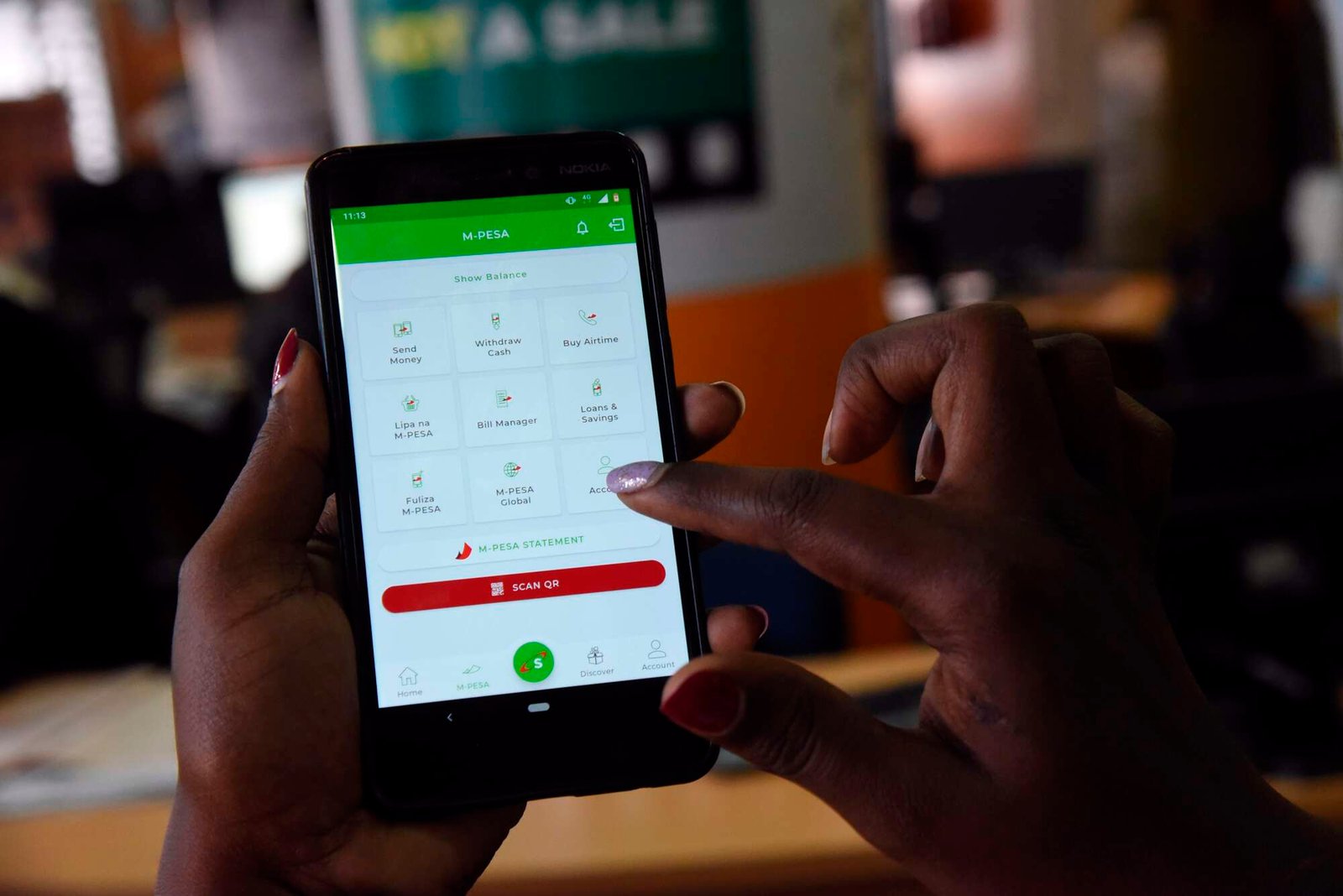
Payment service providers such as M-Pesa and Airtel Money could continue investing customer funds in government securities and interest-bearing bank accounts under the proposed National Payments Systems Bill 2026, as debate grows over whether wallet holders should benefit from the returns.
M-Pesa, Kenya’s largest mobile money platform, processed Sh41.7 trillion in transactions in the year to March 2026, highlighting the scale of funds moving through mobile wallets. Customer balances are held in trust accounts at commercial banks and ring-fenced from payment providers’ operational finances.
Under existing regulations, income generated from deposits in the trust accounts is directed towards public charitable purposes, including poverty alleviation, education, human and religious rights, and environmental protection.
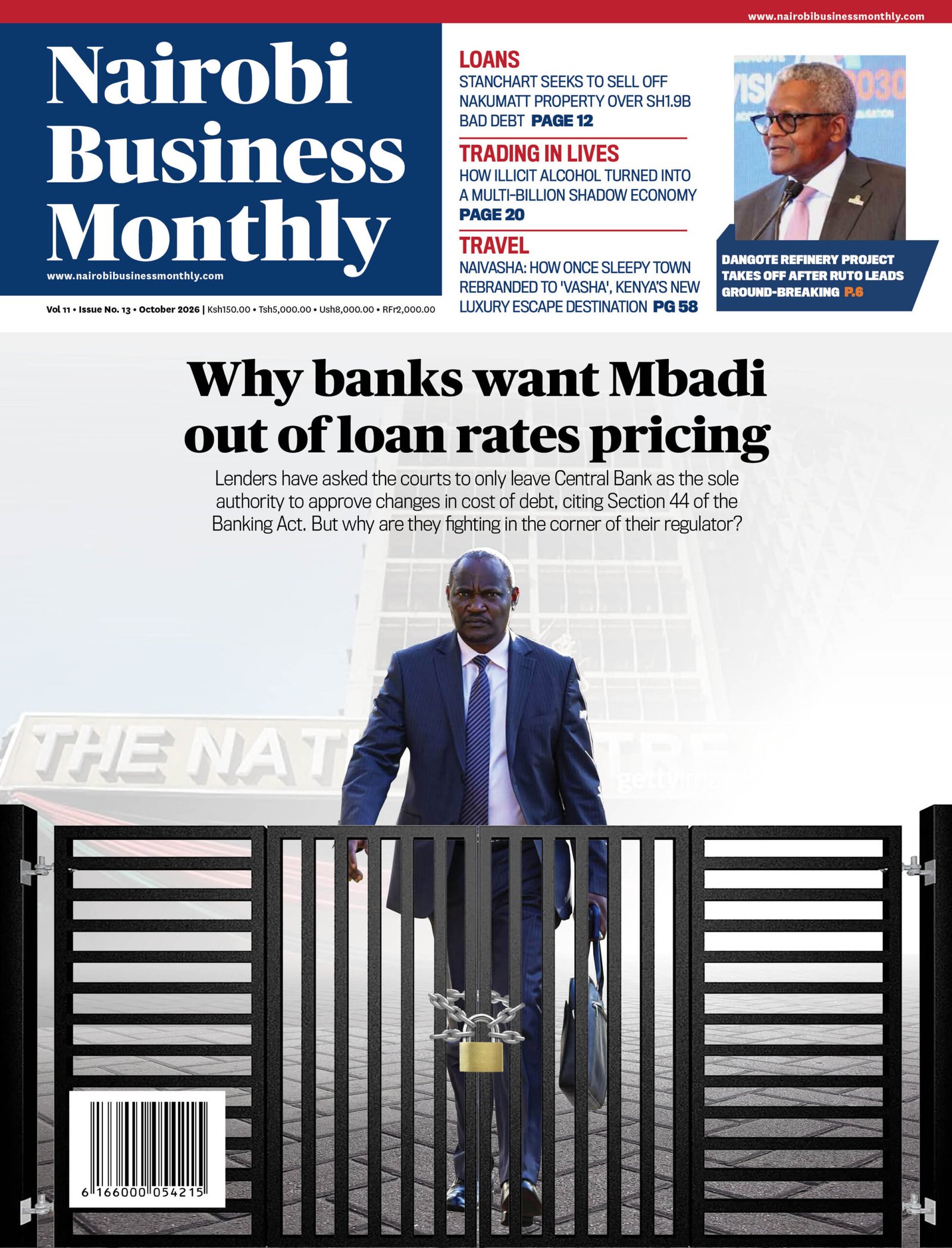
Former Central Bank of Kenya (CBK) governor Patrick Njoroge wants this arrangement changed so that customers receive a portion of the returns earned when their funds are invested in government bonds and fixed deposits. In his submission on the proposed Bill, Dr Njoroge argued that the money remains the financial property of wallet users and that they should benefit from the returns after the costs of administering the trust have been deducted.
“This aligns with the reality of wallets as customers’ legal financial property and the practice in other countries such as Tanzania, Uganda and Ghana,” said Dr Njoroge.
He argued that directing investment returns to charitable causes was a practice carried over from the early days of mobile money, when wallet balances were expected to be relatively small.
The proposed changes come as Kenyans increasingly use mobile wallets for savings and investment, potentially leaving larger balances in the accounts for longer periods.
The Bill also seeks to strengthen interoperability across Kenya’s payments ecosystem by requiring payment service providers to securely share customer data with third parties for open finance purposes. This would enable customers to access services across banks, mobile wallets and fintech platforms without being restricted by their provider.
Dr Njoroge has also called for greater interoperability between mobile money agent networks. He said customers should be able to deposit and withdraw cash through authorised agents regardless of their mobile money provider, while agents could manage their combined float more efficiently.
Safaricom opened its M-Pesa tills and paybills to rival providers in 2022, while Airtel Money subsequently opened its cash tills and paybill platform to rival providers.
The CBK has been driving greater integration of Kenya’s mobile payments infrastructure. The first phase allowed direct person-to-person transfers between customers on rival mobile money networks, a system implemented in 2018.
The next stage is expected to focus on interoperability of agency networks, allowing customers to deposit and withdraw cash through authorised agents regardless of the mobile money provider they use.
