

By Daniel Kamau
The English Premier League season has concluded, with all 20 clubs set to receive their share of the competition’s substantial broadcast and commercial revenue distribution.
The Premier League remains the richest football league in the world, generating billions of pounds annually through domestic and international television rights, as well as commercial agreements.
Its financial model is designed to balance competitiveness with reward, ensuring that every club receives a significant share of central revenues, regardless of league position.
Broadcast revenue in the Premier League is divided into three main components: equal share payments, merit payments based on final league position, and facility fees linked to television coverage.
Each club receives a substantial equal share of domestic and international broadcast income. This forms the largest guaranteed portion of distributions and helps maintain financial stability across the league.
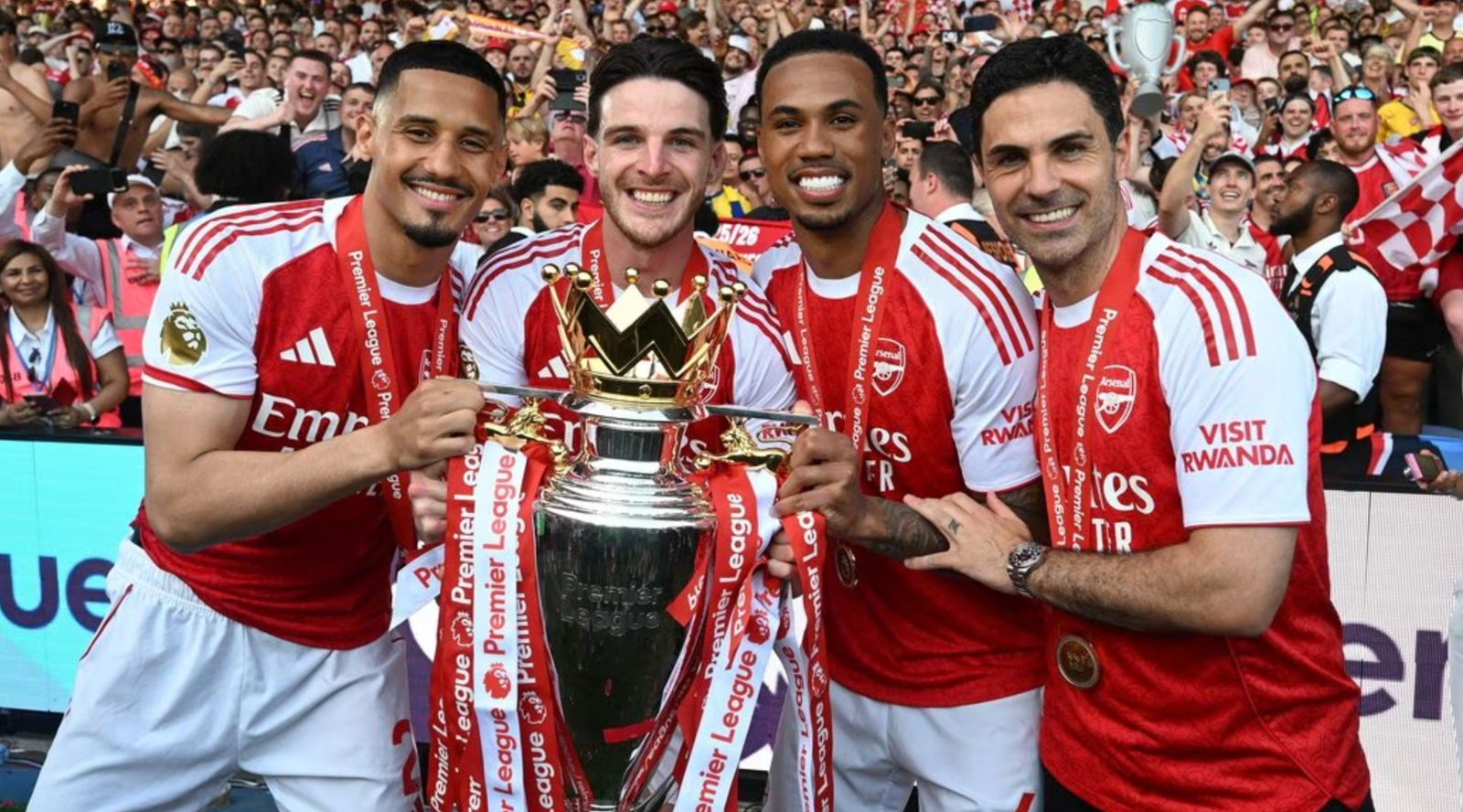
Merit payments are then allocated according to final league standings, with champions receiving the highest share and amounts decreasing down the table.
The final component, facility fees, is based on the number of times a club’s matches are selected for live broadcast in the UK. Clubs with more televised games therefore earn higher total distributions.
The final distribution figures typically see a mix of sporting success and commercial strength reflected in the top earners.
Clubs that finish at the top of the table benefit from both higher merit payments and increased television exposure throughout the season.
Teams with large global followings also tend to perform strongly in revenue rankings due to consistently high broadcast demand and commercial interest.
Even clubs finishing lower in the table still receive significant payouts, underlining the league’s strong financial structure.
Relegated clubs also receive additional parachute payments over subsequent seasons to help ease the financial impact of dropping into the English Football League.
These measures are intended to reduce the financial gap between the Premier League and lower divisions while maintaining competitiveness across the league.
The Premier League’s revenue model continues to reflect its position as the most commercially powerful football competition in the world.
Driven by international broadcasting deals, digital streaming growth, and global sponsorship partnerships, the league’s revenues have continued to rise in recent years.
Football analysts increasingly describe the modern Premier League as a global entertainment product, with clubs operating as both sporting institutions and commercial brands.
As broadcast and commercial revenues continue to expand, the financial gap between the Premier League and most other domestic leagues worldwide is expected to widen further.
This has strengthened England’s top flight as the leading destination for players, managers, and global audiences.
Despite this, debates continue within football about financial fairness, competitive balance, and the long-term sustainability of such revenue disparities.
