

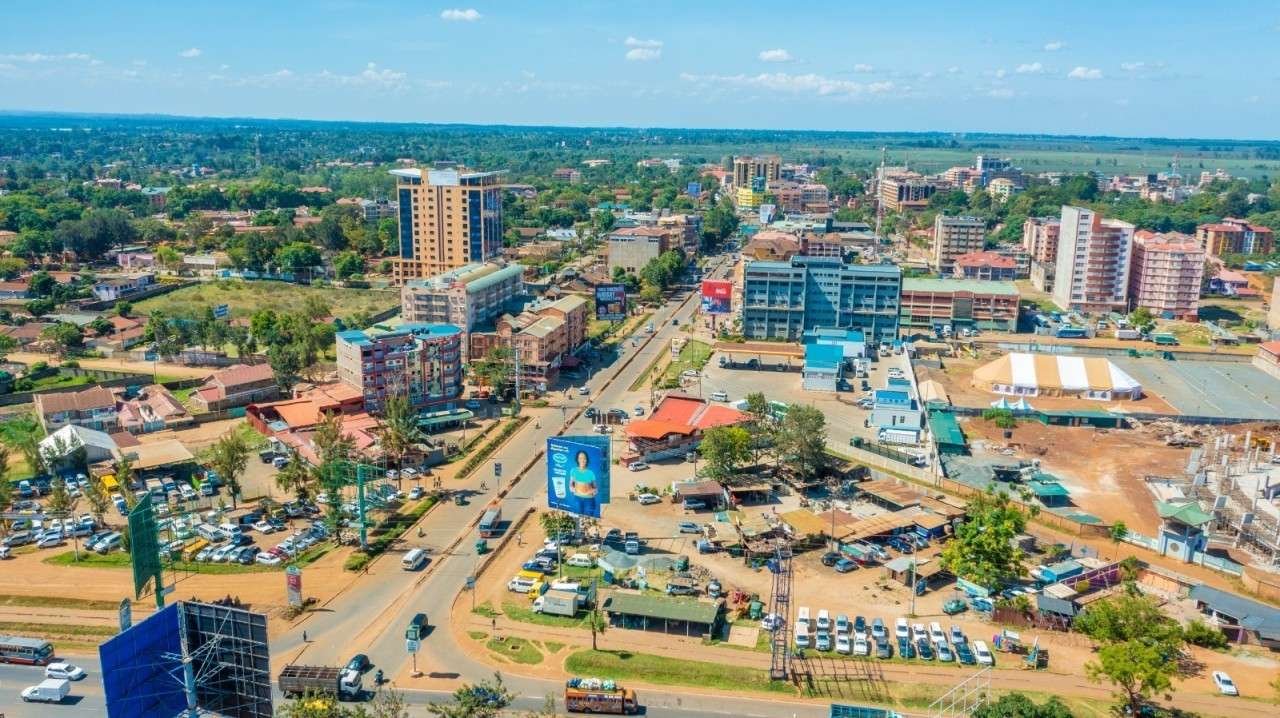
Achieving city status is no ordinary milestone. Before an urban centre can earn the designation in Kenya, it must meet a series of constitutional and legal thresholds covering infrastructure, governance, financial sustainability and service delivery.
According to the Urban Areas and Cities Act, 2011, an urban area seeking city status must satisfy the criteria set out under Section 5 of the Act and demonstrate its ability to provide services listed under the First Schedule.
The following are key requirements that must be met before an urban centre is granted city status:

Population of at least 250,000 residents
The Act requires an urban area seeking city status to have a population of at least 250,000 residents.
The population figure must be obtained from the final gazetted results of the most recent national population census conducted by the Kenya National Bureau of Statistics (KNBS), as provided under Section 5(1)(a) of the Urban Areas and Cities Act.
Revenue capacity
An urban centre seeking elevation to city status must demonstrate that it has the financial capacity to sustain its operations and provide services.
Attaining city status does not create a separate allocation from the national government. The city remains part of its county government for purposes of receiving the equitable share.
However, a city board is responsible for managing city affairs and has powers that include preparing budgets, managing accounts and developing local revenue frameworks in accordance with the law.
Availability of an integrated urban development plan
Another requirement is the existence of an integrated strategic urban development plan.
The plan serves as a blueprint for managing the urban area’s physical, economic and social growth. It guides decisions on land use, infrastructure development, service delivery and long-term planning.
Where the relevant authorities are satisfied that the plan is adequate and realistic, the urban centre may proceed towards conferment of city status.
Infrastructure and service delivery
Urban centres seeking city status must demonstrate that they have adequate infrastructure, including roads, street lighting, markets, fire stations and disaster management systems.
Beyond basic services, a city is expected to have facilities that support economic and social development, including sports and cultural facilities, educational institutions and healthcare services.
Functional waste management systems
A city must have an effective waste management system capable of collecting, transporting, storing and disposing of waste safely.
Municipalities seeking city status must show that they have the necessary equipment, infrastructure, policies and disposal sites to manage waste effectively.
They may also work with private waste management companies to improve service delivery, particularly as the population and waste volumes increase.
Active public participation
An urban centre must demonstrate that residents are actively involved in the management of local affairs.
This includes meaningful public participation in decision-making, implementation of projects and other processes affecting the community.
Effective governance and administration
A municipality seeking city status must have the administrative capacity to manage urban affairs effectively.
This includes proper record keeping, sound financial management, strong institutions and the ability to provide reliable public services to residents.
– Regan Oluoch
