

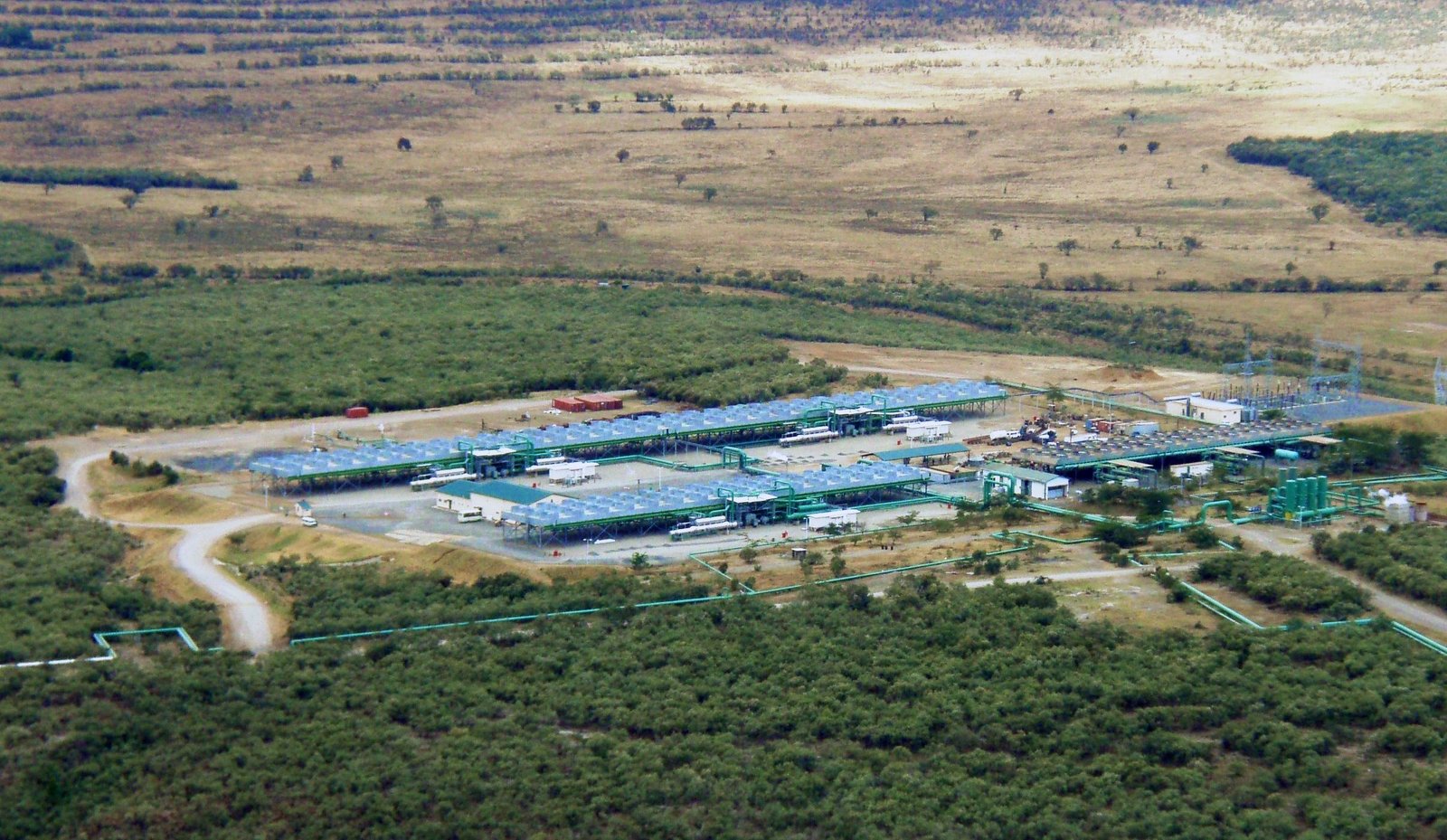
Deep within the geothermal heart of the Great Rift Valley, the Menengai Caldera is now powering a transformative energy future, as the final act of a strategic tripartite development is currently underway with construction of a 35-megawatt geothermal plant.
The initiative is backed by a proposed investment comprising of a senior loan of up to Sh3.88 billion ($30 million) from the International Finance Corporation (IFC) and further mobilization of up to Sh4.85 billion ($37.5 million).
The project is being developed by OrPower22 Ltd, a special-purpose vehicle owned by Kaishan Renewable Energy Development Limited (KRED), a Singapore-registered subsidiary of the Kaishan Group, which is the project sponsor. Kaishan and KRED will also take on the roles of engineering, procurement, and construction contractor and the future operations and maintenance provider.

With construction starting earlier in the year, progress is already well-advanced. For example, civil works for foundations and structural components are substantially complete and the installation of critical equipment like turbines and generators is approximately 80% finished. The installation of the roughly 120m power evacuation line connecting the plant to the adjacent Menengai substation is also complete.
The viability of the project, and indeed the entire Menengai field, is underpinned by critical preparatory work completed by state-owned entities. For instance, the Geothermal Development Company (GDC) completed critical infrastructure which also serve the two other IPPs (Globeleg Menengai Limited (GML) and Sosian Energy) in the Menengai field.
This included a shared steam gathering system that connects the geothermal wellheads to the power plants, along with brine management infrastructure including re-injection wells and emergency ponds.
This foundational work was complemented by the development of access roads, a water supply system, and other support facilities that are collectively to be used by all three independent power producers in the area.
Similarly, the Kenya Electricity Transmission Company (KETRACO) developed and now manages the Menengai substation and a 13 km, 132 kV transmission line that evacuates electricity from the field to the national grid at the Soilo substation in Nakuru.
This development has not occurred in a vacuum and has involved careful navigation of land and regulatory issues. The project site itself is situated within a public forest reserve under the jurisdiction of the Kenya Forest Service (KFS), which has formally granted a sub-lease authorizing the geothermal development.
Historical land acquisition records show that in 2012/2013, land was acquired from 22 individuals to expand the access road to the wellfield. Later, in 2016, 25 landowners were economically displaced for the power line right-of-way and were compensated in accordance with Kenyan land acquisition laws, demonstrating a precedent for managing the social footprint of this large-scale infrastructure.
The long-term economic foundation for the project is secured through two pivotal 25-year agreements. A project implementation and steam supply agreement with GDC guarantees the supply of geothermal steam, the lifeblood of the operation.
Concurrently, a power purchase agreement with the Kenya Power and Lighting Company ensures a dedicated off-taker for the electricity generated. The plant is expected to be feeding electricity into the grid by March 2026.
