


By Otieno Bildad
Every weekend, thousands of young Kenyan men gather in neighbourhood video dens and sports bars to follow the English Premier League, Serie A, and local football matches. For many, the experience goes beyond entertainment. It is closely tied to sports betting, which has become deeply embedded in everyday football culture.
What is widely marketed as harmless entertainment or a potential path to quick earnings has, for some, become a source of financial strain, anxiety, and psychological distress. As global football events such as the World Cup approach, the visibility and intensity of sports betting advertising and participation tend to increase, drawing even more attention to the industry.
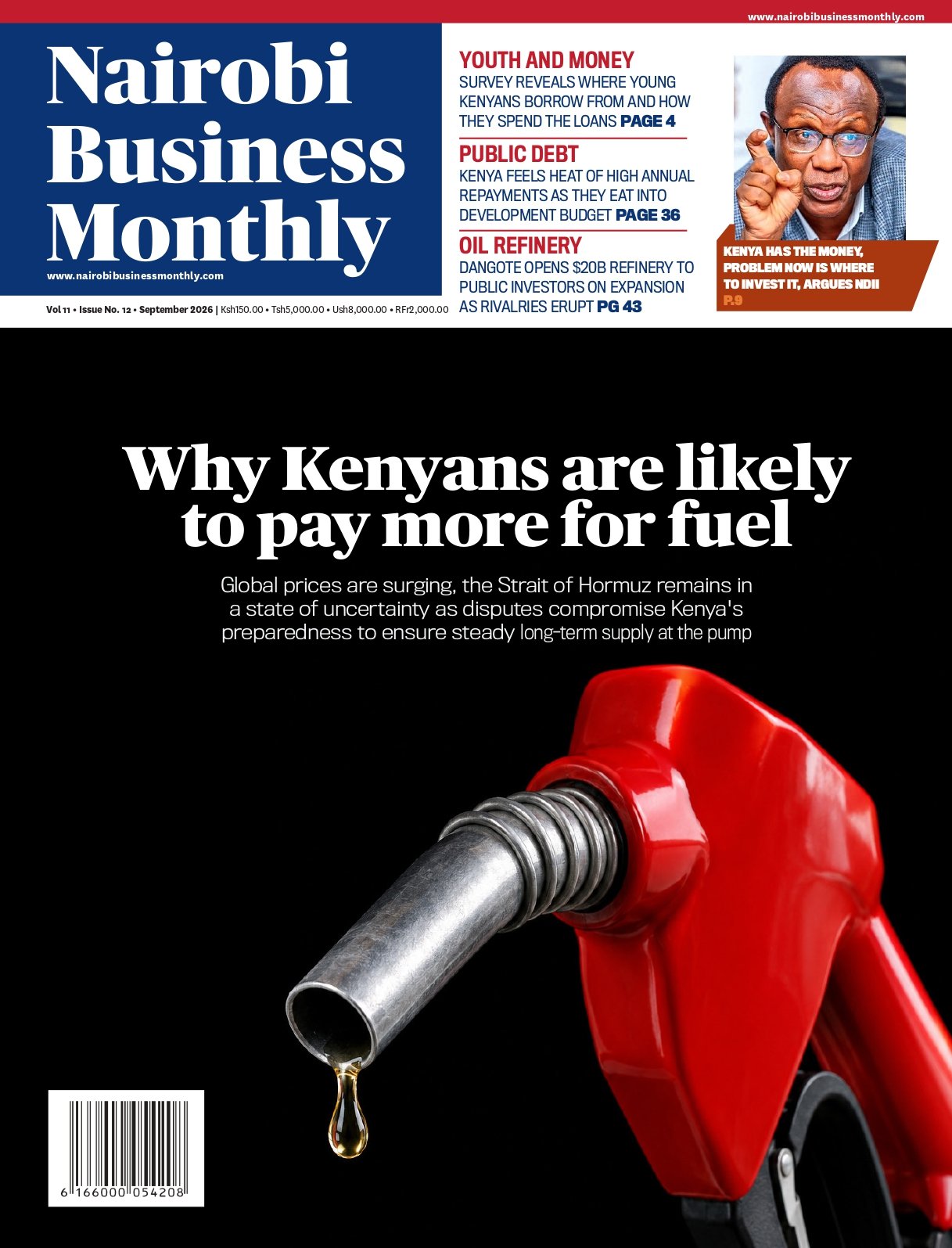
Recent youth-focused surveys across parts of Africa suggest that gambling participation among young people is significant, with Kenya frequently cited among countries with high engagement in sports betting. Football markets—such as match outcomes, goals, and in-play events—remain the most commonly wagered categories, alongside fast-paced online games offered on mobile platforms.
Mental health professionals in Kenya have also raised concerns about gambling-related harm. Clinicians at facilities such as Mathari National Teaching and Referral Hospital have reported treating individuals presenting with symptoms consistent with gambling disorder, including compulsive betting behaviour, anxiety, depression, insomnia, and social withdrawal. While prevalence figures vary across studies, experts consistently note that young men form a significant proportion of those affected.
A key factor accelerating the problem is the integration of mobile money systems and digital lending platforms. Easy access to instant credit has created a feedback loop for some users, where borrowed funds are used to continue betting in an attempt to recover previous losses. Psychologists often describe this as “loss chasing,” a behavioural pattern commonly associated with gambling addiction.
Financial sector reports have also highlighted concerns about rising household debt and the use of short-term digital loans among young people. In some cases, unpaid loans have contributed to listings with credit reference agencies, affecting access to future financial services.
Behind these trends are individual stories that reflect the human cost of gambling harm. In one reported case from Nairobi, a university student used part of his tuition funds to place a large sports bet, hoping for a quick return. When the wager failed, he experienced severe emotional distress and withdrew from his studies. In another case shared within workplace discussions, a young employee reportedly accessed company funds to finance betting activity, later describing intense panic and regret when faced with the risk of discovery.
Such cases are often discussed in mental health circles as examples of how gambling addiction can escalate when financial pressure, secrecy, and emotional distress converge.
Health experts and addiction specialists have increasingly warned that gambling-related harm should be treated as a public health issue rather than only a matter of personal discipline. International research has linked problematic gambling to higher risks of depression, anxiety disorders, substance use, and in severe cases, suicidal ideation. However, experts also caution that suicide should never be attributed to a single cause, as it is typically the result of multiple overlapping factors.
There are also ongoing debates about fairness and integrity in sports betting markets, including concerns raised globally about match manipulation in some sporting contexts. However, these issues remain complex and vary widely across leagues and jurisdictions, and should not be generalised without evidence.
Addressing gambling harm requires a combination of approaches. These include stronger regulation of advertising, clearer responsible gambling messaging, improved financial safeguards in mobile lending systems, and greater access to mental health support services. On an individual level, support groups, counselling, and financial counselling can help affected individuals regain stability and reduce harmful betting behaviours.
As sports betting continues to grow alongside digital finance in Kenya, the challenge will be balancing legitimate entertainment and economic activity with stronger protections for vulnerable users; particularly young people navigating unemployment, financial pressure, and increasing digital exposure.
