

By Daniel Kamau
Kenya’s public debt has crossed the Sh13 trillion mark for the first time, reaching Sh13.02 trillion by May 2026. Official data shows the debt rose from Sh12.29 trillion in December 2025, an increase of about Sh730 billion within five months. The rise has largely been driven by domestic borrowing.
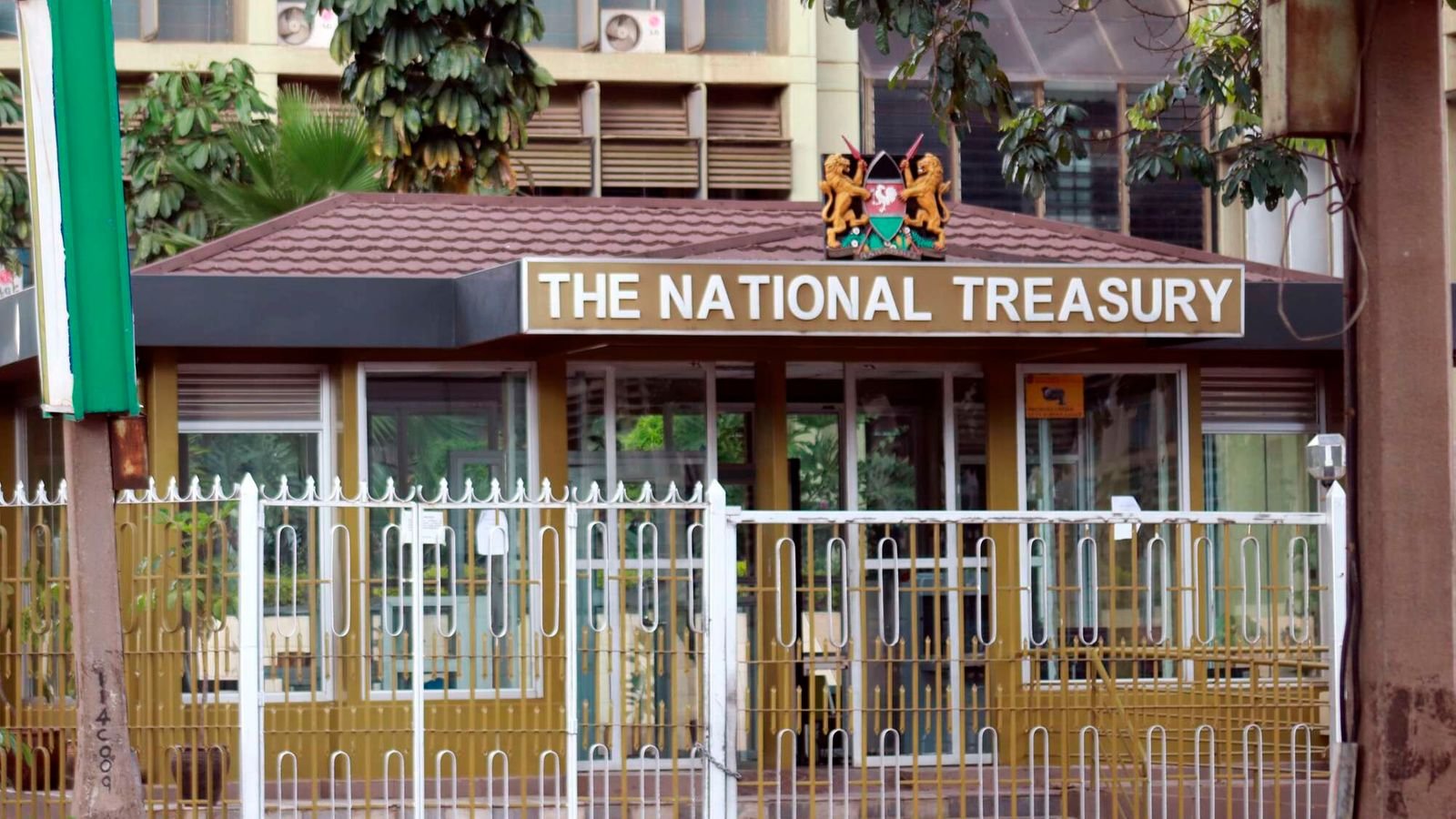
According to the Central Bank of Kenya, domestic debt stood at Sh7.24 trillion as at 15 May 2026, while external debt was Sh5.78 trillion as at February 2026, according to National Treasury figures.
This brings total public debt to Sh13.02 trillion, with more than half a trillion shillings added in a single quarter.
The Annual Public Debt Management Report 2024/2025 shows that the government spent Sh1.72 trillion on debt servicing—about 69% of ordinary revenue, more than double the IMF’s recommended 30% threshold.
By February 2026, commercial banks held Sh2.48 trillion of domestic debt, while insurance companies and pension funds held Sh1.91 trillion, highlighting heavy reliance on local lenders.
Economists warn that this growing dependence could crowd out private sector borrowing, as financial institutions channel more resources into government securities.
To manage refinancing risks, the Treasury has adopted liability management operations, including bond buybacks, switches, debt swaps, and the issuance of longer-term instruments.
“The National Treasury shall budget for liability management operations within the national budget and fiscal framework,” the Treasury said in its disclosure framework. It added that a dedicated LMO vote line will be included in annual estimates under public debt management.
On the external front, Kenya continues to access international markets. In February 2026, the country raised $2.25 billion through a Eurobond, part of which was used to buy back bonds maturing in 2028 and 2032, helping ease short-term repayment pressure.
The government maintains that borrowing is necessary to finance infrastructure, budget deficits, and debt refinancing while pursuing measures to improve debt sustainability.
However, Controller of Budget Dr Margaret Nyakang’o has warned that Kenya risks slipping into a debt trap due to costly borrowing and weak project execution.
She described the situation as a “vicious cycle of debt accumulation” that limits fiscal space. “Half of debt payments are only financial costs rather than debt reduction. The principal figure is not reducing. We are just paying interest,” she told the National Assembly Committee on Public Debt and Privatisation.
Dr Nyakang’o also cautioned against “borrowing to repay existing debt”, warning that continued rollover could deepen fiscal vulnerabilities and burden future generations. She urged stricter cost-benefit analysis before contracting new loans.
