

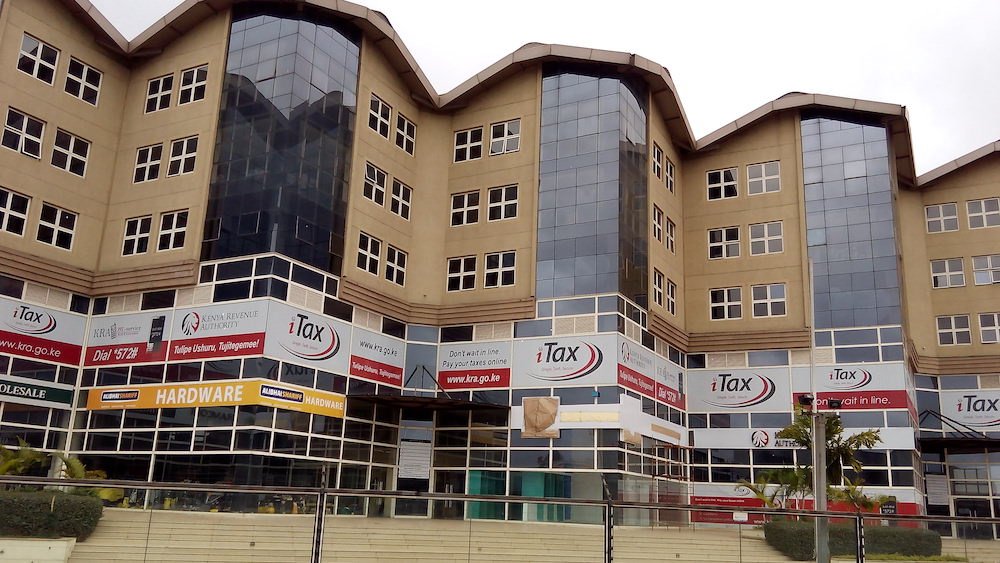
The Kenya Revenue Authority (KRA) is in talks with Safaricom over a plan to enable M-Pesa to generate electronic tax invoices for small businesses. The plan would make it easier for small traders to comply with tax requirements and continue supplying large companies.
Under the proposal, Safaricom would issue invoices through KRA’s electronic Tax Invoice Management System (eTIMS) on behalf of traders receiving payments via M-Pesa tills, paybills and other merchant platforms, and transmit the invoices to KRA.
A KRA official told the National Assembly Committee on Finance and National Planning on Tuesday, October 27, 2026, that the authority had begun preliminary discussions with the telecoms firm.
“Safaricom would like to carry out reverse invoicing on behalf of merchants,” the official said. “The solution would enable Safaricom to transmit invoices at the end of the day.”
The official said a similar system is already working effectively for supermarkets, which issue invoices during the day and transmit them to KRA at the end of the day.
Under the law, businesses must issue electronic invoices as proof of sales, enabling buyers to claim allowable business expenses. Many small traders lack the technology or expertise needed to generate the invoices. This has led some large companies to stop sourcing goods from small suppliers who cannot provide compliant invoices.
Under the current reverse invoicing system, large buyers can issue eTIMS invoices for their small suppliers. The proposed model would allow Safaricom to take on this role, simplifying compliance for small traders.
The proposal could benefit millions of businesses. M-Pesa had 3.1 million merchants in the year to March 2026, an increase of 71.4 per cent from 1.8 million a year earlier. Of these, 2.1 million traders use Pochi la Biashara, while about one million receive payments through Lipa na M-Pesa tills and paybills.
The informal sector created 712,000 jobs last year, accounting for approximately 85 per cent of all new jobs, compared with 102,000 in the formal sector.
Businesses with annual sales below Sh5 million generally fall outside the main income tax and compulsory VAT thresholds, but they may still be required to issue electronic tax invoices when they sell to larger firms.
KRA says the system will also help widen the tax base and curb tax evasion by improving the verification of reported sales and business expenses.
